
12 Reasons MBTI Keeps Giving You Different Types — And What to Take Instead

By Jade M.
SomaScan Intelligence
Summary:
You've taken MBTI four times in five years and got four different types. You've done Enneagram, Strengthsfinder, Big Five. The "consistent" thing about your results is how inconsistent they are. Here's the unspoken truth: it's not your fault. The tests are measuring something that isn't you. Twelve reasons MBTI keeps shifting on you, and what to take when you're done with multiple-choice personality.
1. MBTI is binary. You're not.

MBTI forces yes/no answers on traits that exist on a spectrum. Small mood shifts flip your type entirely.
2. Self-report has a built-in bias — and you know it.

You answer based on who you want to be that day. Multiple-choice personality is a vibe check, not a measurement.
3. Enneagram is coherent but unvalidated.
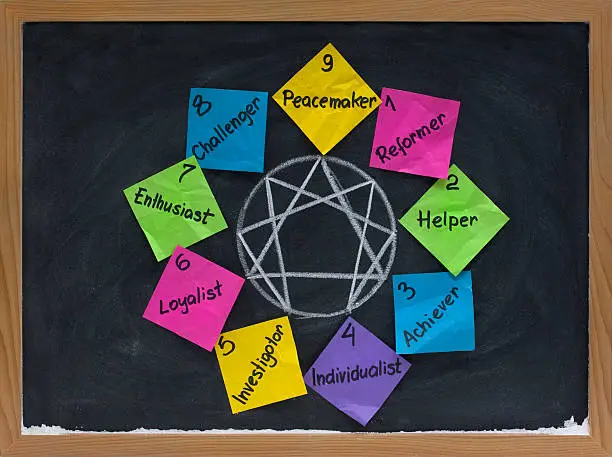
The theory has more internal consistency than MBTI but lacks the psychometric validation Big Five has. You're picking the prettier model, not the truer one.
4. The "hidden blind spots" line on the SomaScan homepage isn't marketing — it's the design brief.
Self-report can only surface what you already know about yourself. SomaScan measures 120 facial landmarks against 120k+ profile data. The output isn't a description — it's a measurement you can argue with.
5. ChatGPT writes flattering personality readings. SomaScan publishes variance.
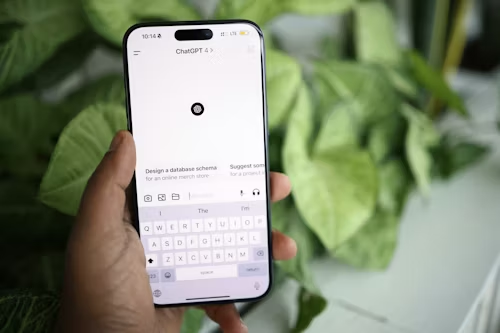
LLMs are trained to please. They generate paragraphs that feel like you because the Barnum effect is doing the heavy lifting. SomaScan publishes per-trait variance — the precision number is in the report.
6. The Five-Element overlay is already in SomaScan.

Wood, Fire, Earth, Metal, Water — the Mian Xiang archetype layer cross-references with the trait scoring. You get both the modern measurement AND the mythic frame.
7. Reading SomaScan on someone you've known 20 years is the test.

Several users describe scanning a long-term friend or partner. The blind-spots section "nailed something I never said out loud about him." That's the signal it's measuring real signal.
8. Therapy works on what you tell it.

A great therapist sees half your blind spots. The other half stay hidden because they only know what you bring to the room. Facial-landmark measurement bypasses that filter.
9. "Pseudoscience" — read the methodology.
SomaScan publishes the variance per trait. Most personality tests don't even publish reliability coefficients. The bar here is higher than the category norm.
10. "Just astrology with a UI" — different mechanism.

Astrology uses birth time. SomaScan uses facial measurement. The mechanism is observable; the variance is reported; the training data is named (120k+ profiles).
11. "What's measurable about a face?" — orbital width, philtrum depth, jaw angle, 117 more.
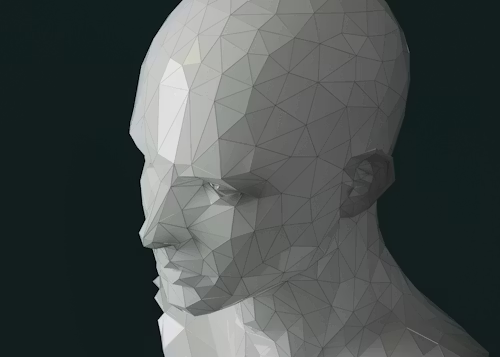
Each landmark has a stated reference range. Each maps to specific trait outputs with published correlations. The methodology page lists every one.
12. Finally — a personality test that measures you instead of asking.
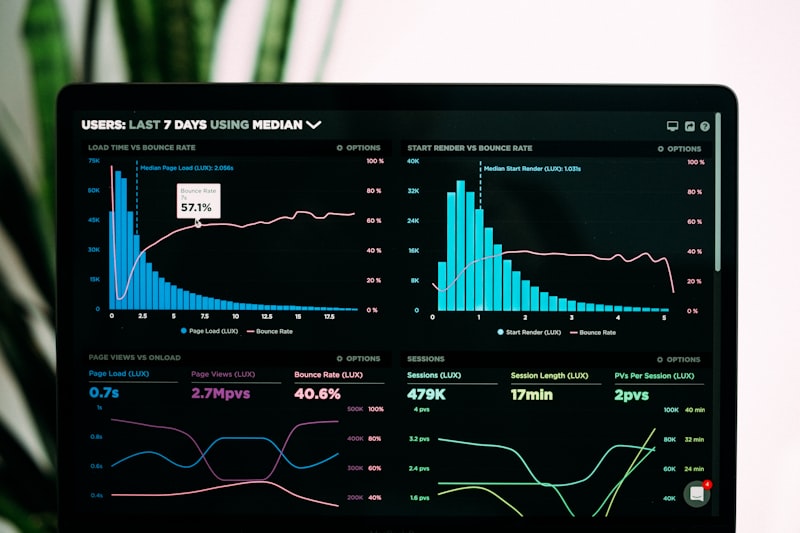
For 8 years of personality tests, you've been the data source AND the data interpreter. SomaScan reverses both. The data source is your face. The interpreter is the model. You finally get to argue with the result.
Insights for Every Interaction
From high-stakes boardrooms to personal relationships, see how others are using SomaScan to navigate their world.
"Dating profiles are mostly lies. SomaScan accurately flagged a massive compatibility issue before our first date. It saved me weeks of wasted time. It’s like having a superpower."

Sarah T.
29, Marketing Manager
"I ran a scan on a tough prospect. The premium report told me to skip the small talk and focus entirely on data. I tailored my pitch and closed a $40k deal the next day. Best ROI ever."

Mark D.
35, Enterprise Sales Director
"I thought I knew my own strengths, but the self-analysis report revealed blind spots in how I project myself to the world. It’s fascinating, deeply personal, and much more profound than a standard corporate test."

Tom R.
27, Creative Professional
"Dating profiles are mostly lies. SomaScan accurately flagged a massive compatibility issue before our first date. It saved me weeks of wasted time. It’s like having a superpower."
Sarah T.
29, Marketing Manager
"I ran a scan on a tough prospect. The premium report told me to skip the small talk and focus entirely on data. I tailored my pitch and closed a $40k deal the next day. Best ROI ever."
Mark D.
35, Enterprise Sales Director
"I thought I knew my own strengths, but the self-analysis report revealed blind spots in how I project myself to the world. It’s fascinating, deeply personal, and much more profound than a standard corporate test."
Tom R.
27, Creative Professional