A review of automated personality scan software should start with one hard question: does the tool create a useful, structured conversation about people, or does it produce polished language with no practical value? The difference matters when you are evaluating a potential teammate, exploring relationship dynamics, or looking for a fresh perspective on your own patterns.
The strongest platforms make the process feel immediate without pretending that a scan can replace human judgment. They turn a photo-led workflow into a clear, PDF-ready personality framework - one that gives you themes to examine, questions to ask, and patterns to discuss. That is where automated face-reading software earns its place: not as a final verdict on a person, but as a fast starting point for deeper insight.
What Automated Personality Scan Software Is Built to Do
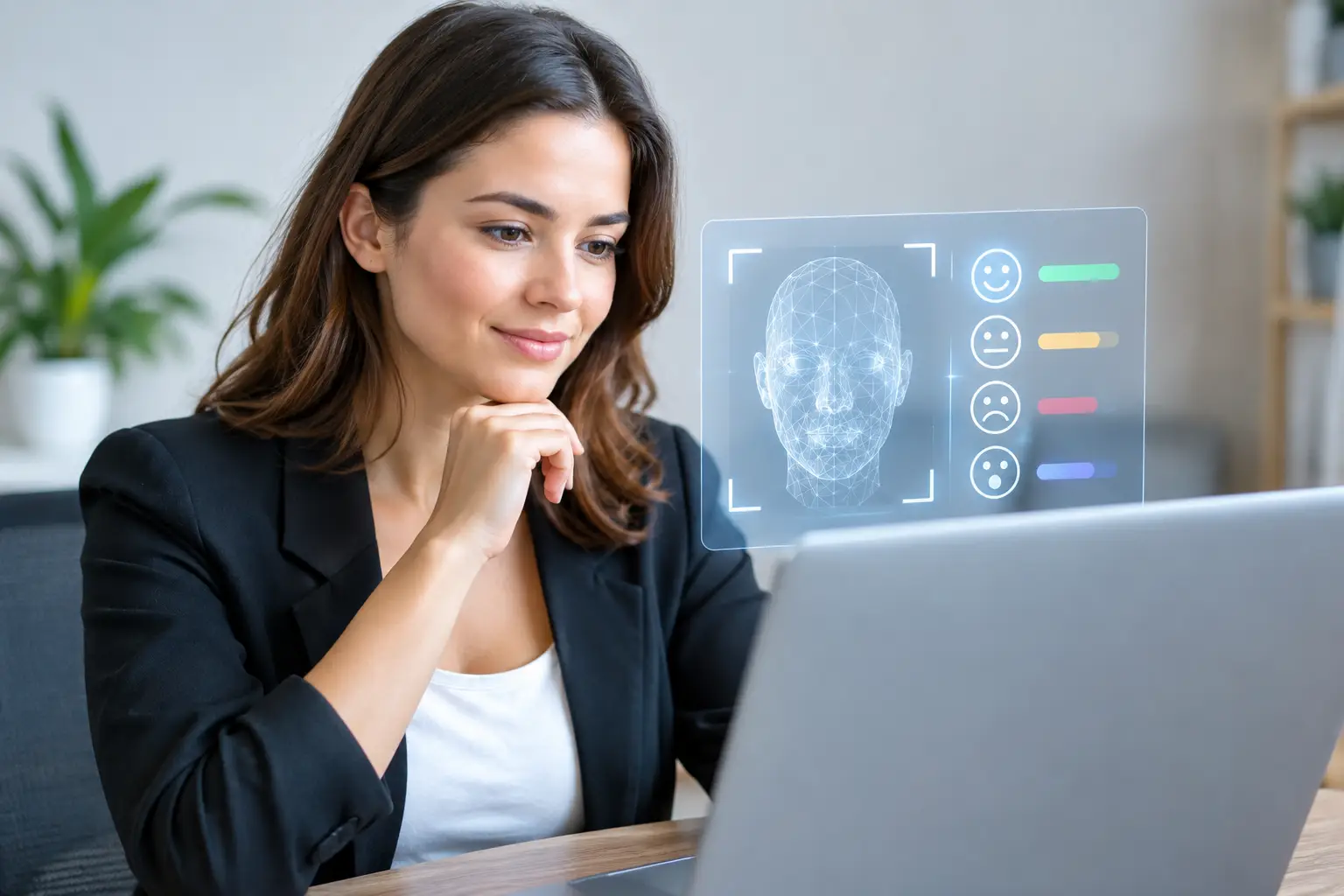
Automated personality scan software typically combines image processing, profile discovery, and a proprietary reporting model to generate observations about behavioral tendencies, emotional expression, communication style, compatibility, and career preferences. Instead of asking someone to complete a lengthy questionnaire, the experience begins with guided image inputs and delivers a finished report in minutes.
For consumers, the appeal is obvious. You do not need training in assessment theory, coaching, or behavioral science to receive an organized readout. For managers and coaches, the appeal is speed. A well-designed platform can give a team discussion more shape than vague phrases such as good culture fit or strong people skills.
Still, the best use case depends on context. A personal report can be entertaining, reflective, and genuinely useful for noticing recurring themes. A professional report can support a conversation about communication and collaboration. It should not be used as the sole basis for hiring, firing, promotion, diagnosis, or any other high-stakes decision.
How to Review Automated Personality Scan Software
A polished landing page is not enough. When comparing platforms, look past the promise of instant insight and assess the quality of the full experience: discovery, report logic, privacy, and practical usefulness.
Start With the Input Experience
The first test is friction. Does the system clearly explain what it needs, why it needs it, and what happens after an image is submitted? A consumer-grade scan should feel guided, not invasive. Users should know whether they are uploading an image, confirming identity details, reviewing discovered profiles, or simply generating a personal analysis.
Good software also sets expectations before the scan begins. It tells users how long the process takes, what the report covers, and what it does not claim to establish. Confidence is valuable. Overclaiming is not.
Examine the Report, Not Just the Score
A personality scan report should be more than a block of flattering adjectives. Look for distinct sections that explain the output in a usable way. Strong reports organize observations into recognizable areas such as emotional patterns, communication style, decision tendencies, relational dynamics, stress responses, and career environments.
The format matters because people need to act on what they read. A useful report does not simply say that someone is driven, intuitive, or analytical. It explains how that tendency may appear in a meeting, conflict, partnership, or career decision. It gives the reader language for reflection rather than a label that closes the conversation.
This is where productized frameworks can improve the experience. Terms such as Structural Integrity, Five-Element Mapping, or a 100-Year Life Map can make a report easier to navigate when they are supported by clear explanations. Framework names alone do not create accuracy, but they can turn a generic output into a report people can actually revisit and share.
Test for Specificity Without False Certainty
There is a line between useful specificity and manufactured certainty. The best automated reports feel tailored because they identify tensions that real people recognize: someone may be highly independent yet seek reassurance under pressure, or socially confident yet cautious when trust is at stake.
Be wary of software that presents every statement as fact. Personality is contextual. People behave differently at work than they do at home, under stress than at rest, and early in a relationship than years into one. A credible tool leaves room for that complexity.
The practical standard is simple: the output should create better questions. If it helps a manager ask, How do you prefer to receive feedback? or helps a couple ask, What makes you feel heard during conflict?, it has value. If it encourages users to assume they know everything about another person from a scan, it has gone too far.
Review Privacy as Part of the Product
Face-based tools process sensitive information. Privacy should be visible in the customer experience, not buried behind a vague promise. Before using any platform, understand whether images are retained, whether reports can be deleted, how personal data is handled, and who can access the results.
This matters even more when a scan involves another person. Consent is not a minor detail. Running an analysis on a colleague, partner, or candidate without their knowledge can damage trust quickly, regardless of how elegant the report looks.
Where These Tools Work Best
Automated personality scans are most valuable in low-pressure, opt-in settings. Personal development is a natural fit. A user may want a new lens on emotional habits, relationship patterns, or career direction without spending hours on a traditional assessment.
Coaches can use a report as an opening artifact for a session, then test its themes against a client’s lived experience. Team leads can use voluntary results to start conversations about communication preferences and collaboration styles. The report becomes a prompt, not a ranking system.
SomaScan.ai reflects the consumer-first version of this model, pairing a guided neural scan workflow with a polished report structured around personality architectural cores. The value is the speed and presentation: users receive a clear artifact they can read, save, and discuss without navigating a complex assessment process.
The weaker use cases are the ones that demand proof. Do not treat facial analysis as a validated measure of job performance, honesty, mental health, intelligence, or future behavior. No automated personality scan can see the full context of a person’s character, history, values, and choices.
The Real Comparison: Convenience vs. Evidence
Traditional personality assessments generally require more time and active self-reporting. Their advantage is that participants can describe their own preferences and experiences. Automated scan tools are faster, more visual, and often more engaging, especially for people who dislike questionnaires.
That convenience comes with a trade-off. Facial inputs alone cannot reliably establish personality in the way a formal, validated assessment is designed to measure a defined construct. Treat scan results as interpretive content, not scientific proof.
For many users, that distinction does not make the product irrelevant. It makes the product easier to use responsibly. A fast report can still spark self-awareness, improve the quality of a conversation, or give a coach and client a shared vocabulary. It simply should not be mistaken for an objective record of who someone is.
Questions to Ask Before You Buy
Before choosing a platform, ask whether the report is designed for curiosity, coaching, team discussion, or a different purpose. Check whether the output is detailed enough to be useful but clear enough to read in one sitting. Confirm that the platform handles images and personal data responsibly, and make sure the person being scanned has agreed to participate.
Then consider the deliverable. A PDF-ready report has real value when it is organized, visually clean, and built for reflection. It has little value when it is just a collection of broad statements dressed up in technical language.
The best automated personality scan software does not ask you to surrender your judgment. It gives you a sharper place to begin - then leaves room for the real work of getting to know a person.