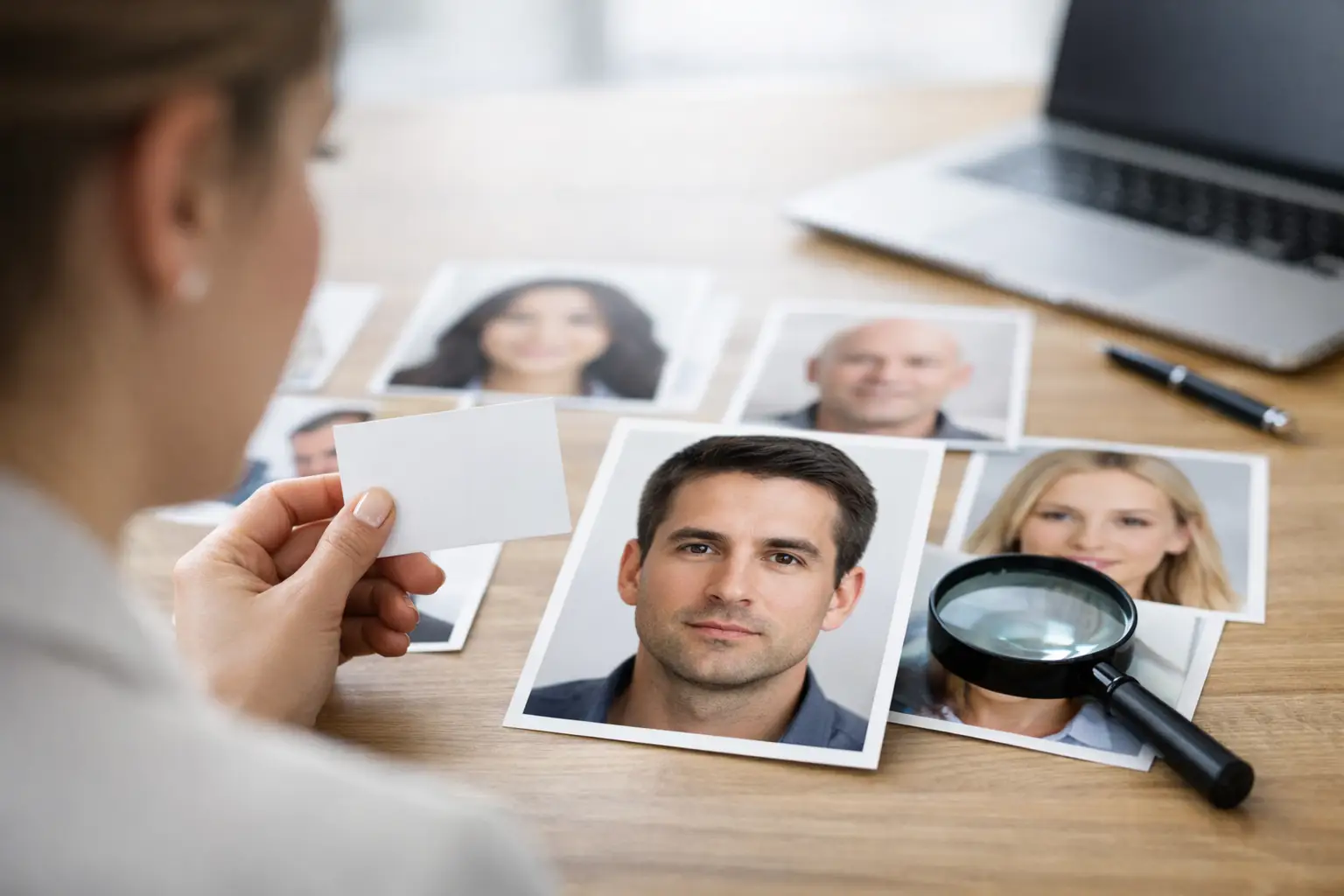
The question usually comes up right at the start of the scan: why does face reading ask for a name if the system is analyzing a face? Fair question. If the value is in facial structure, expression patterns, and visual cues, asking for a name can feel unrelated. In reality, the name is often the first anchor in the analysis flow. It helps the system organize identity, reduce confusion, and produce a report that feels tied to a real person rather than a floating image file.
That matters more than most users expect. Face reading platforms are not just image filters with mystical branding. The stronger systems are structured workflows. They move from identification to discovery to pattern analysis to report generation. In that sequence, a name is not decoration. It is part of the input architecture.
Why does face reading ask for a name in the first place?
At the most practical level, the name gives the scan a stable reference point. If you upload a face without context, the system still has visual data, but it lacks a clean identity label. That creates friction in everything that follows, from file organization to report output.
A name tells the platform who the analysis is for. That can help with profile matching, image retrieval, and keeping one person distinct from another when multiple scans are being run. For individual users, this keeps the experience simple. For recruiters, coaches, or team leads reviewing several people, it becomes essential.
There is also a presentation layer. A professional-grade report with no name feels unfinished. A named report feels assigned, intentional, and ready to use in a personal or professional setting. If the end product is designed to be saved, shared, or reviewed later, identity labeling is not optional. It is basic quality control.
The name is an identity anchor, not the analysis itself
This is where people get suspicious, and reasonably so. If a platform asks for a name, some users assume the name itself is being used to infer personality. In some systems, that may be part of the experience. But in most AI-driven face reading workflows, the name functions more as an anchor than as the source of insight.
Think of it this way: the face carries the structural signals being analyzed, while the name helps the system attach those signals to the correct person. Those are different jobs. One is interpretive. The other is organizational.
That distinction matters because it affects trust. If a tool claims facial analysis but produces vague personality copy based only on a typed name, users can feel manipulated. A stronger engine keeps the roles separate. It uses the name to establish identity and workflow continuity while the visual model handles the actual pattern reading.
Why names improve scan accuracy and workflow quality
Names help in ways users do not always see. In a guided scan process, they can improve the flow behind the scenes by reducing ambiguity.
If someone uploads several photos over time, the name helps group those records. If the platform supports profile or image discovery, a name can help narrow the right candidate set before visual confirmation. If a report is being regenerated or updated, the name prevents mix-ups across sessions.
This becomes even more important when common face-reading use cases move beyond pure curiosity. A person checking compatibility with a partner, a manager comparing team dynamics, or a recruiter reviewing personality signals across candidates needs clean separation between one profile and the next. A mislabeled report is not a small error. It breaks confidence in the whole system.
That is why advanced platforms ask for names early. Not because the name replaces the face, but because the workflow gets cleaner and more reliable when identity is established first.
Why does face reading ask for a name before the image is processed?
Because the best systems are built like engines, not one-off tricks. They follow sequence. First establish who the scan belongs to. Then collect or confirm the visual input. Then run the analysis layers. Then package the output into something readable.
Asking for the name upfront also reduces drop-off. It gives users a simple first action. Type the name. Begin analysis. That feels easier than jumping immediately into technical upload instructions. Good conversion design and good scan design often overlap.
There is another reason, too: names make the experience feel personal from the first screen. That is not superficial. People engage more seriously when the report is clearly about a specific person, not an anonymous face in a demo pipeline.
For brands operating at scale, that early step also supports cleaner database structure, smoother report generation, and fewer user-side errors. It is a small prompt with a large operational payoff.
What the name can and cannot do
A confident platform should be clear about the trade-off here. A name can improve structure, workflow, and report usability. It cannot magically replace the need for a clear image. If the photo is low quality, poorly lit, angled badly, or partially obstructed, the name will not rescue the analysis.
In other words, the name helps the system know who it is working on. The image determines how much the system can actually read.
That is why serious face reading tools rely on both. The identity anchor supports the process. The facial input drives the interpretation. If either piece is weak, the output can suffer.
This is also why some users see better results than others. The person who enters a name, uses a sharp front-facing image, and follows the scan prompts usually gets a cleaner report than the person who uploads a random cropped social photo and expects precision. The technology can be fast, but it still depends on input discipline.
Why professionals care about this more than casual users
If you are just scanning for fun, asking for a name might feel like a minor detail. If you are using face reading as a decision-support tool, it is a different story.
In hiring, coaching, team building, or compatibility review, the report has to be attributable. A PDF labeled with the correct name carries immediate clarity. It can be revisited later, compared against another report, or discussed in context without confusion.
That is one reason platforms like SomaScan.ai frame the scan as a structured analysis system rather than a novelty generator. The experience is meant to produce a clean, professional-ready output. To do that, the engine needs to know exactly who the report belongs to.
For multi-person workflows, the name is not a convenience. It is foundational. Without it, analysis becomes harder to track, compare, and trust.
Is asking for a name a red flag?
Not by itself. What matters is how the platform uses that information and whether the rest of the workflow looks coherent.
A credible experience usually makes the purpose obvious. The name supports identification, report labeling, and scan continuity. A weaker experience may ask for lots of personal inputs without a clear reason, then return generic results that could fit almost anyone.
So the real test is not whether the system asks for a name. It is whether the final report feels tied to actual visual analysis or just dressed up with personalized labels.
Users should look for a clear process, a structured output, and consistency between the facial inputs and the personality readout. If those elements are strong, asking for a name is normal. If the process feels vague and the output feels interchangeable, skepticism is justified.
The bottom line on why does face reading ask for a name
Because serious face reading is not just about scanning pixels. It is about connecting facial analysis to a specific human profile, then turning that into a usable report. The name is the first piece of that connection.
It supports identity matching, cleaner scan management, more reliable report generation, and a more professional final output. It does not replace the face, and it does not do the analytical heavy lifting. But it makes the entire system sharper.
If a platform asks for your name before it reads your face, that is usually not a detour from the process. It is the start of it. And when the workflow is built well, that small first step is what allows the rest of the analysis to land with clarity.