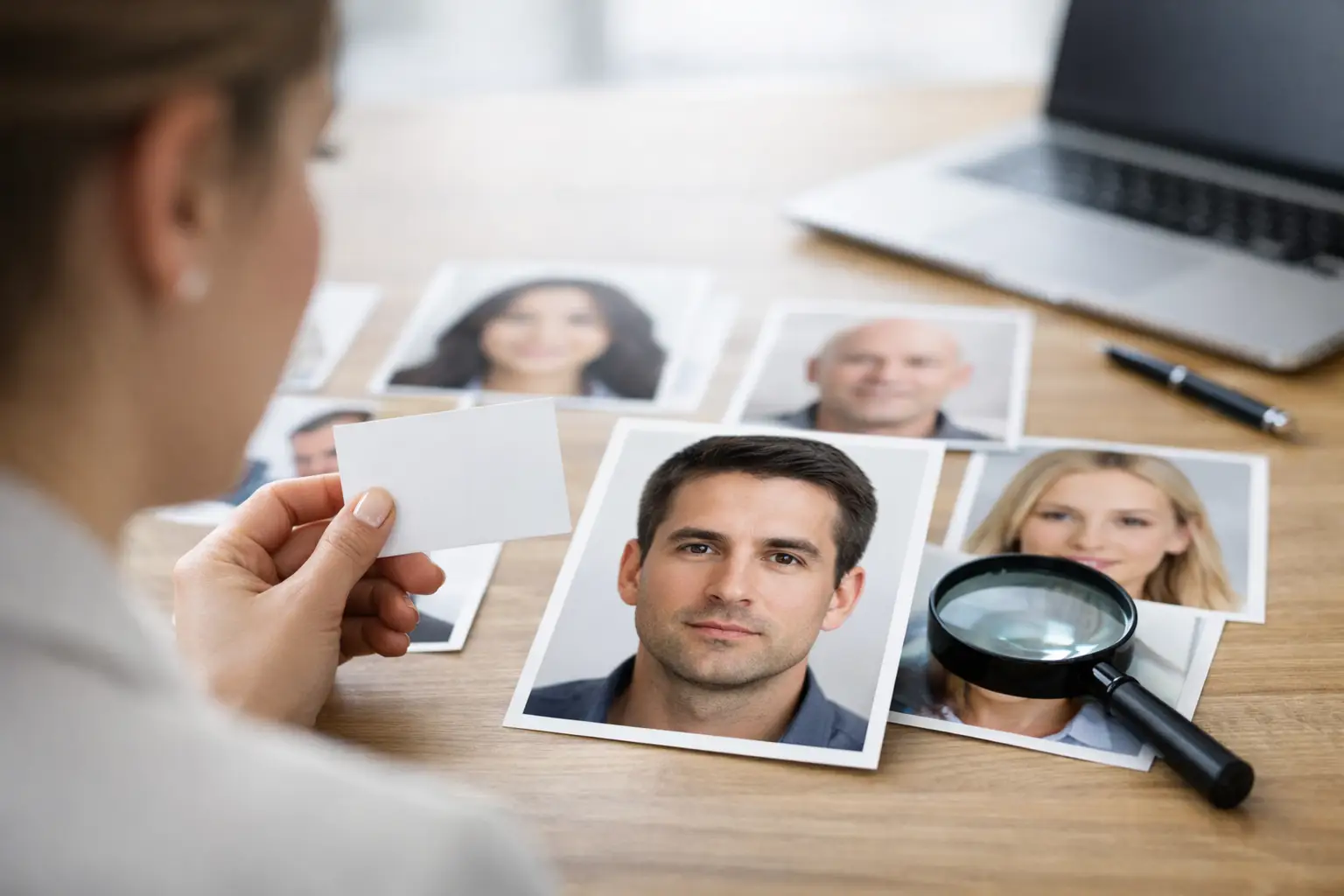
Buying a personality report based on facial analysis is not the same as ordering shoes or a phone case. Once the scan runs, the value is usually delivered fast, digitally, and often in a format that cannot be "returned." That is exactly why the ai face scan refund policy matters before you upload a photo, start a scan, or pay for a PDF-ready report.
For buyers, the real issue is not whether refunds should exist. It is what counts as a valid refund trigger in a product built on instant analysis, automated processing, and subjective interpretation. For platforms selling face-reading insights, a smart refund policy protects both sides. It filters out abuse, but it also gives serious customers confidence that billing errors, broken delivery, or unusable outputs will be handled fairly.
Why an AI face scan refund policy needs to be different
Digital analysis products live in a gray zone between software, personalized content, and entertainment-style insight tools. A customer can receive value within minutes. The platform, in many cases, incurs processing cost the moment the image is uploaded and the report generation engine starts running.
That changes the refund conversation. With a physical product, return logic is simple. If it arrives damaged, you send it back. With an AI-generated face report, there may be nothing to send back at all. The report may already be viewed, downloaded, or saved. If the system generated the report exactly as promised, many companies will treat that as completed delivery.
This does not mean "no refunds" is always the right answer. It means the policy has to separate technical failure from buyer disappointment. That distinction is where most disputes begin.
What customers usually expect
Most customers buying an AI face scan believe one of three things. First, they expect the report to arrive quickly and without friction. Second, they expect the scan to work on a normal photo without endless retries. Third, they expect the final output to feel complete, polished, and readable.
They do not always expect scientific certainty, but they do expect the product page promise to match the actual experience. If the site positions the report as professional-grade, guided, and ready for personal or team insight, the customer will judge the purchase against that framing.
This is where tone matters. A bold, authority-driven brand can convert well, but stronger claims increase refund sensitivity. The more definitive the promise sounds, the less tolerance buyers have for vague output, missing sections, duplicate reports, or technical breakdowns.
What a fair ai face scan refund policy should cover
A strong ai face scan refund policy should state exactly when a refund is available and when it is not. Vague language creates chargebacks. Precise language reduces them.
The most reasonable refund situations usually include duplicate billing, failure to deliver the report, system errors that prevent scan completion, or a report generated from clearly corrupted image processing. If a customer paid twice for one scan or never received access because the platform failed, the case for a refund is strong.
There is also a middle category where a replacement may be better than a refund. If the image quality caused a weak result but the platform can offer one rescan, that can solve the problem without turning every imperfect upload into a refund request. For a guided product experience, one controlled retry often feels fair to both the buyer and the business.
On the other hand, most digital insight platforms will reject refund requests based only on personal disagreement. If the user says, "I do not think this personality trait sounds like me," that is harder to treat as a product defect. Face-reading and personality interpretation are not the same as objective account statements or tax software outputs. There is interpretation involved, even when the system uses structured frameworks and versioned analysis models.
Where refund disputes usually come from
Refund disputes in this category usually come from a mismatch between expectation and product type. Some users assume they are buying hard verification. Others are buying guided interpretation but only realize that after reading the report.
The second source of disputes is speed-driven checkout. Conversion-focused digital products often move buyers quickly from curiosity to payment. That works, but it also means some customers do not read the terms closely. If the checkout page does not clearly explain that the scan is a personalized digital product with limited refund eligibility after processing begins, support will inherit that confusion later.
The third source is poor edge-case handling. Blurry selfies, blocked faces, heavy filters, extreme angles, and low-light images can all affect output quality. If the platform accepts weak inputs without warning, the customer may blame the report rather than the image.
How platforms should set expectations before payment
The best refund policy starts before checkout. It should be reinforced in the scan flow, not buried in legal text.
Customers should see clear guidance on acceptable photos, expected delivery timing, whether processing begins immediately after purchase, and whether personalized report generation limits refund eligibility. This does not need dense legal language. It needs sharp, direct copy.
For example, if report generation starts as soon as the neural scan begins, say that. If completed reports are generally nonrefundable unless there is a billing or technical issue, say that too. Precision builds trust faster than broad guarantees that collapse during support conversations.
A platform like SomaScan.ai, which sells a premium-feeling, professional-style analysis experience, benefits from being especially clear here. High-confidence positioning works best when operational policies are equally disciplined.
Best practices for handling refund requests
When a customer asks for a refund, speed matters almost as much as the final decision. A slow answer makes even a justified denial feel evasive.
The support team should first classify the issue. Was it billing, delivery, image quality, user misunderstanding, or dissatisfaction with the interpretation itself? Those are not the same case, and they should not be handled with the same script.
If the issue is technical, the response should be decisive. Confirm the failure, verify the account, and either rerun the process or refund promptly. If the issue is dissatisfaction, the better move may be to explain the product scope and review whether the delivered report matched the promised format and features.
That balance matters. Over-refunding trains customers to treat digital reports as risk-free impulse buys they can reverse later. Under-refunding creates distrust and chargebacks. The strongest brands protect margin without looking slippery.
What buyers should check before purchasing
If you are the customer, read three things before paying. Check what the report claims to deliver, what image standards apply, and what happens after processing starts. Those details tell you more than the headline promise.
You should also ask a basic question: am I buying objective verification or structured insight? If the answer is structured insight, then your refund expectation should focus on delivery quality, billing accuracy, and product completeness, not whether every trait feels perfectly aligned.
That distinction saves frustration. It also helps you judge the offer correctly. A digital personality report can be useful, polished, and worth buying without functioning like a clinical assessment.
FAQ on AI face scan refund policy
Can you get a refund after viewing the report?
Usually, it depends on the reason. If the report was delivered correctly and matches the product description, many platforms will not refund just because the user changed their mind. If there was a technical defect or billing issue, the answer may be yes.
Are duplicate charges refundable?
In most cases, yes. Duplicate billing is one of the clearest refund scenarios and should be resolved quickly.
What if the photo caused a bad result?
That depends on whether the platform gave clear upload guidance. If the user ignored visible requirements, a refund may be denied. If the system accepted a poor image without warning, a rescan or refund is more reasonable.
Should personalized digital products be nonrefundable?
Not automatically. A completed personalized product can still justify a refund if it was not delivered properly, was materially incomplete, or was charged in error. But full refund rights for every completed report are usually not practical.
The strongest refund policy in this category is not the most generous one. It is the clearest one. When buyers know what triggers a refund, what qualifies for a rescan, and what counts as completed digital delivery, trust gets stronger before the sale and support gets cleaner after it. If you are buying an AI face scan, treat the policy as part of the product, because it tells you how seriously the company handles the moment when confidence gets tested.