Most people do not struggle because they lack data. They struggle because they read people too late.
You meet a candidate who says all the right things, start dating someone who feels promising, or bring a new partner into a project and only later realize the friction was visible from day one. That is why interest in face-based compatibility analysis keeps growing. People want a faster read on personality patterns, emotional tendencies, and likely fit before they commit time, money, or trust.
If you want to know how to check compatibility with face scan tools, the real question is not just how to upload a photo. It is how to use facial analysis in a way that is structured, useful, and honest about where it helps most.
What compatibility means in a face scan
Compatibility is not mind reading. It is pattern matching.
A face scan platform looks for visible structure, expression tendencies, and repeatable markers that are associated with behavioral style. That can include signs tied to emotional intensity, patience, decisiveness, openness, guardedness, social energy, and stress response. When a system compares two people, it is not claiming they will definitely succeed or fail together. It is estimating where their natural tendencies may reinforce each other and where they may clash.
That matters because compatibility is rarely about being identical. In many cases, the strongest match is not two people with the same profile. It is two people whose traits create balance. A highly driven person may pair well with someone stable and measured. A visionary may work best with someone practical. A socially expressive partner may need someone grounded rather than equally reactive.
This is where a scan becomes useful. It gives shape to dynamics people often sense but cannot name.
How to check compatibility with face scan tools
The process is usually simple on the surface and highly structured underneath.
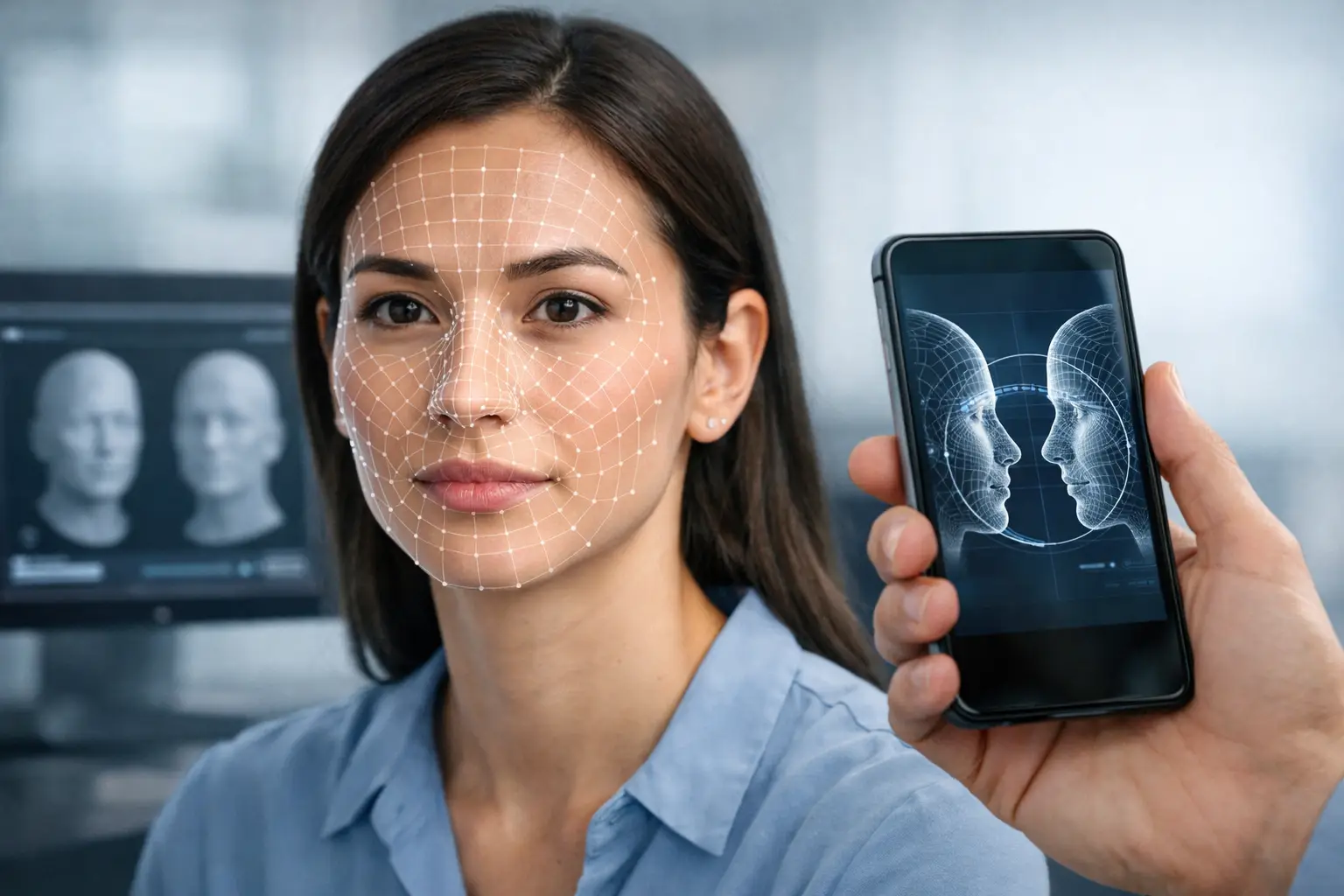
First, you start with identity anchoring. Some platforms ask for a name before the scan begins because the experience is built as an individual profile analysis, not just a photo upload. Then the system collects the facial input, either from a provided image or a guided discovery process. Once the face is mapped, the engine analyzes visible traits through its own framework and compares those results against compatibility models.
A strong platform does more than label someone as introverted or confident. It breaks the person down into deeper dimensions such as emotional processing, relational style, pressure response, and communication posture. That is where compatibility checks become more actionable. You are no longer looking at vague chemistry. You are looking at probable interaction patterns.
For example, a compatibility read might show that one person prefers control, directness, and speed, while the other leans toward reflection, caution, and emotional sensitivity. That does not automatically mean poor fit. It means the relationship may work best when expectations, pacing, and conflict style are managed early.
What a face scan is actually analyzing
A serious compatibility scan is not just reading whether someone looks friendly in a photo. It is built around structural and expressive signals.
Structural analysis focuses on stable facial features and proportions that are interpreted through the platform's model. Expressive analysis looks at how a face presents emotion, tension, openness, or guardedness. Some systems also map broader personality frameworks that connect those signals to behavior in relationships, work, and decision-making.
The best tools package this into a report that feels operational. Instead of saying, this person seems intense, the report may frame that as high emotional charge, fast response cycles, and strong directional energy. Instead of saying, this person seems easygoing, it may identify lower dominance pressure, softer engagement style, and greater tolerance for ambiguity.
That level of output matters because compatibility is most useful when it moves from impression to language. Once you can name a pattern, you can work with it.
Where compatibility face scans help most
Relationship use is the obvious example, but it is not the only one.
In dating, face scan compatibility can help users understand attraction versus long-term fit. Those are not always the same thing. High spark can come with high volatility. A scan can flag whether two people are likely to energize each other, stabilize each other, or trigger each other's weak points.
In hiring and team building, compatibility means something different. You are not looking for romance or emotional resonance. You are looking for collaboration fit, communication rhythm, leadership alignment, and stress compatibility. A manager may want to know whether a new hire will thrive under direct feedback or shut down under pressure. A founder may want to know whether a potential operator complements their style or mirrors it too closely.
This is where systems like SomaScan.ai position themselves aggressively. The appeal is speed. You can move from curiosity to a polished, PDF-ready profile without formal testing, long interviews, or personality questionnaires that people know how to game.
How to get a better compatibility result
If you are serious about how to check compatibility with face scan outputs, quality of input matters.
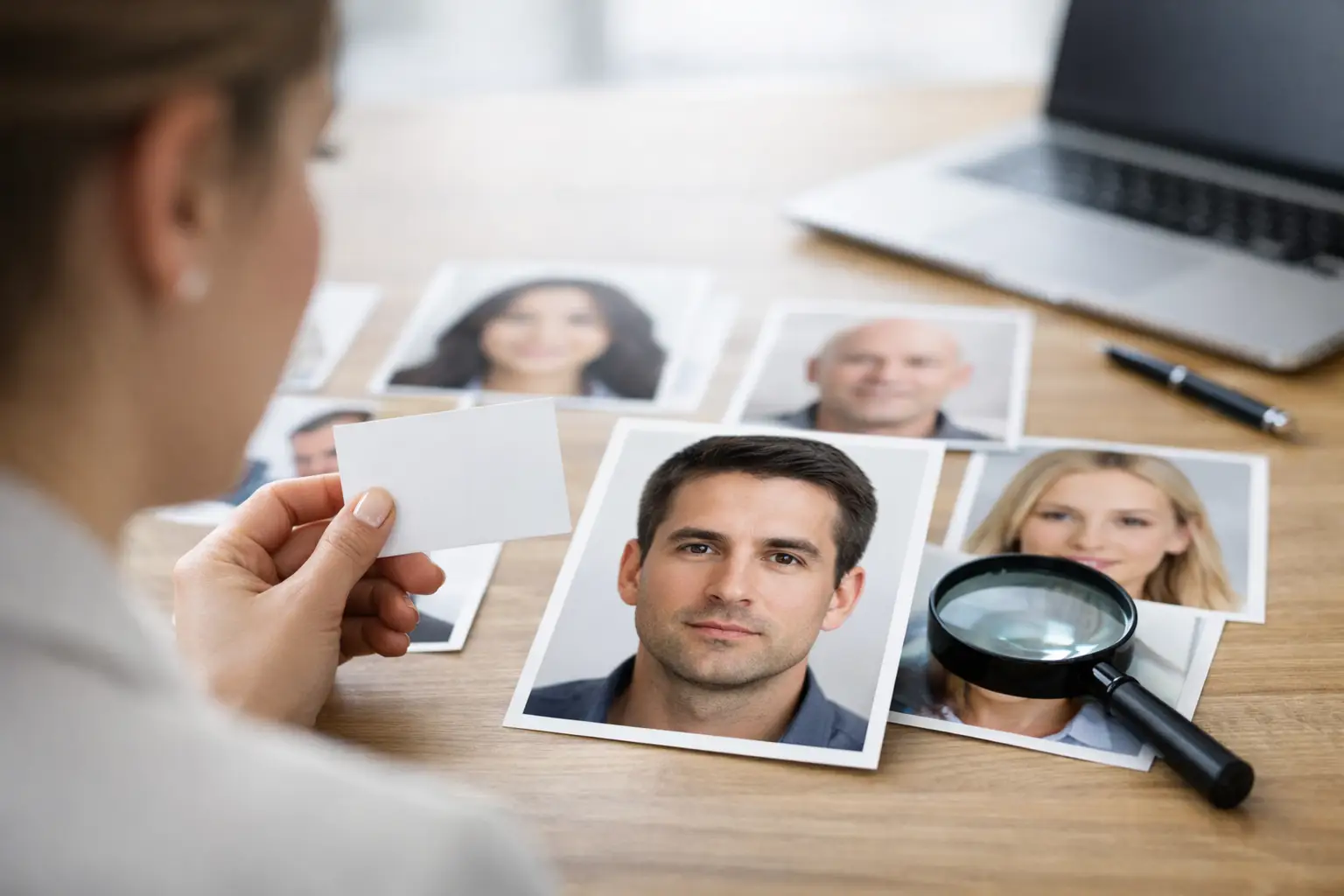
Use a clear image with decent lighting and a direct facial view when possible. Avoid heavy filters, exaggerated expressions, and obstructed features. If the tool compares two people, make sure the images are reasonably similar in quality. A sharp photo for one person and a blurry social crop for the other can distort the read.
It also helps to know what question you are asking. Do you want to measure dating fit, communication style, business partnership potential, or team chemistry? Compatibility is not one universal score. Two people may be weak in romance and excellent in business. They may clash in day-to-day communication but align well under shared goals.
The clearer the use case, the more valuable the interpretation.
What face scan compatibility cannot do
This is where smart users separate signal from hype.
A face scan can surface patterns. It cannot account for every lived factor that shapes a relationship. Maturity, values, timing, honesty, trauma history, goals, and cultural context still matter. Two people with difficult baseline compatibility may build a strong relationship through self-awareness and effort. Two people with strong natural fit may still fail because neither communicates well.
That does not weaken the tool. It simply defines the tool.
Think of a face scan as early intelligence, not a final verdict. It is strongest when used before assumptions harden. It helps you ask better questions, notice likely friction points, and understand why a dynamic feels easy, uneven, magnetic, or draining.
FAQ: how to check compatibility with face scan
Is a compatibility face scan the same as attraction?
No. Attraction is immediate pull. Compatibility is about how two patterns interact over time. Some of the most attractive pairings are unstable. Some lower-drama matches are much stronger long term.
Do both people need to be scanned?
Usually yes, if you want a real comparison. A single scan can reveal one person's relationship style, but compatibility requires two profiles to identify alignment and tension points.
Can this help with work relationships?
Yes. It is especially useful for hiring, founder pairing, manager-direct report dynamics, and team composition. The output can highlight communication fit, authority patterns, and likely stress behavior.
Should a face scan replace judgment?
No. It should sharpen judgment. The best use is as a decision-support layer, especially when you need fast insight before investing further.
The real advantage of compatibility scanning is not that it tells you everything. It is that it gives you a structured read before the story gets messy. When people understand the architecture of a connection early, they waste less time pretending confusion is chemistry.