You do not struggle with "people-reading" because you lack intuition. You struggle because intuition does not scale. In a hiring loop, a new team formation, or a relationship that suddenly gets serious, you need a fast way to build a working model of someone - not a vague vibe, not a 90-question test, and not a therapy session.
That is the job a name based face scan is trying to do: compress identity and expression into a structured profile you can actually use.
What a name based face scan actually means
A name based face scan is a guided analysis workflow that starts with a name and then maps that name to the correct person before interpreting facial inputs. The name is not a mystical ingredient. It is an identity anchor.
Why does that matter? Because the hardest part of personality analysis is not the analysis. It is making sure you are analyzing the right person, in the right context, with the right signals.
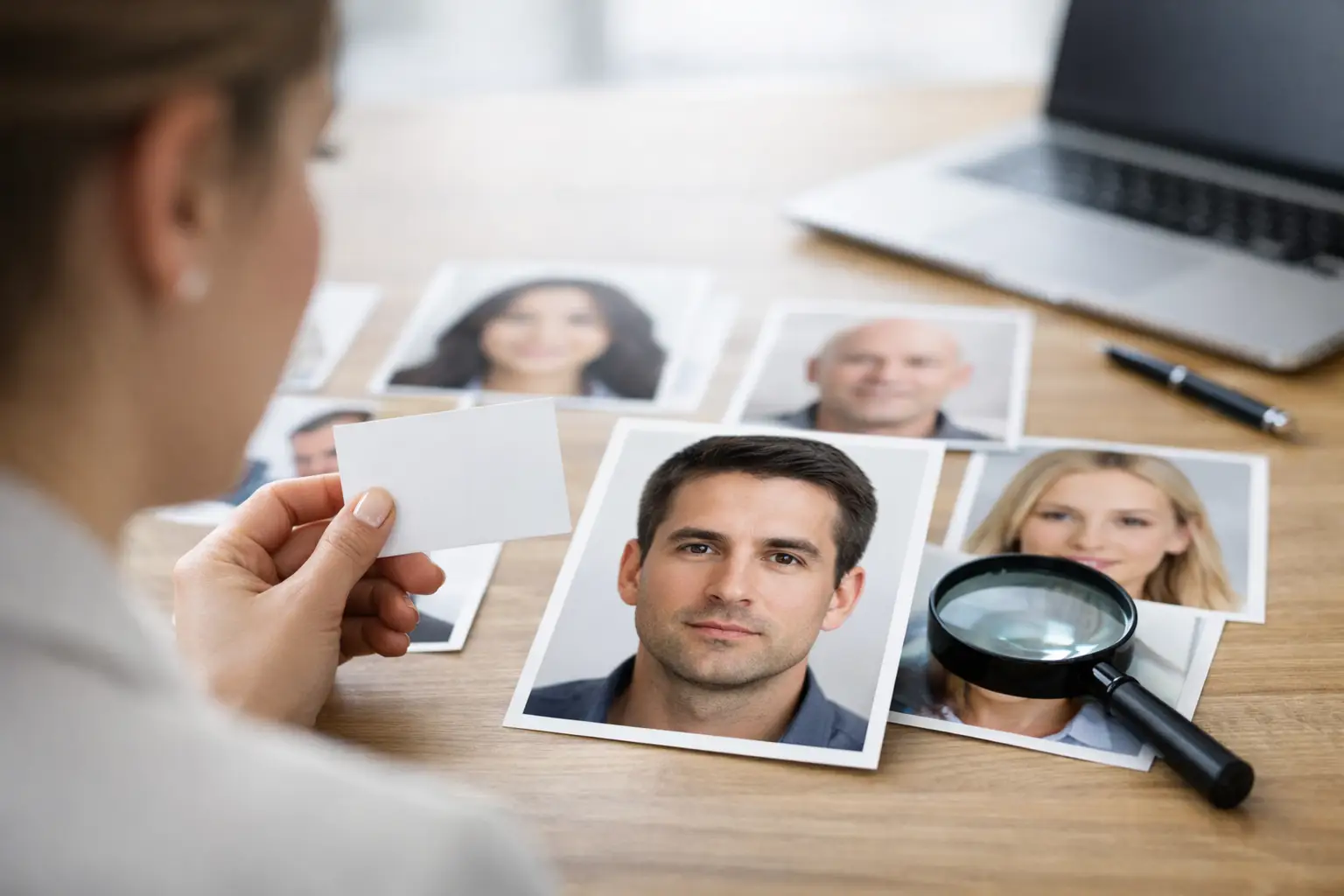
A pure image-only scan can be powerful, but it is vulnerable to basic operational errors: wrong photo, outdated photo, look-alike confusion, or a screen grab with distortion. A name-first flow reduces those mistakes by forcing the system and the user to agree on who is being analyzed before anything else happens.
Why “name-first” beats “photo-first” for real-world use
Most people think the scan is the clever part. In reality, the workflow is the product.
A name-first workflow has three practical advantages.
First, it improves identity precision. A name is a stable label you can verify and reuse. If you are scanning multiple people (a team, a set of candidates, a friend group), a name-based queue keeps everything clean.
Second, it sets expectations. You are not uploading a random selfie for entertainment. You are initiating an analysis of a specific person with a coherent identity. That shift changes how people interpret the output - it becomes a report, not a novelty.
Third, it enables structured discovery. When the scan process is anchored to a person, the system can look for the most analysis-ready inputs: front-facing images, consistent lighting, neutral expressions, and angles that support facial mapping. You get fewer garbage inputs and fewer garbage conclusions.
The two engines inside a name based face scan
Under the hood, there are really two phases: identity discovery and pattern interpretation. You can call them different names, but that division is the difference between a toy and an engine.
Identity anchoring and image discovery
This phase answers a blunt question: are we looking at the right person?
A consumer-friendly name based face scan typically uses a guided flow that requests the name, then prompts for confirmation and image selection. In some systems, the name helps locate relevant profile data or assists the user in choosing the right images from a set. The goal is not to build a dossier. The goal is to reduce mismatch risk before analysis begins.
If you are using the scan professionally, this is the part you should care about more than you think. One misidentified photo can create a confident report about the wrong individual. The report will still sound structured. That is exactly the danger.
Facial pattern interpretation
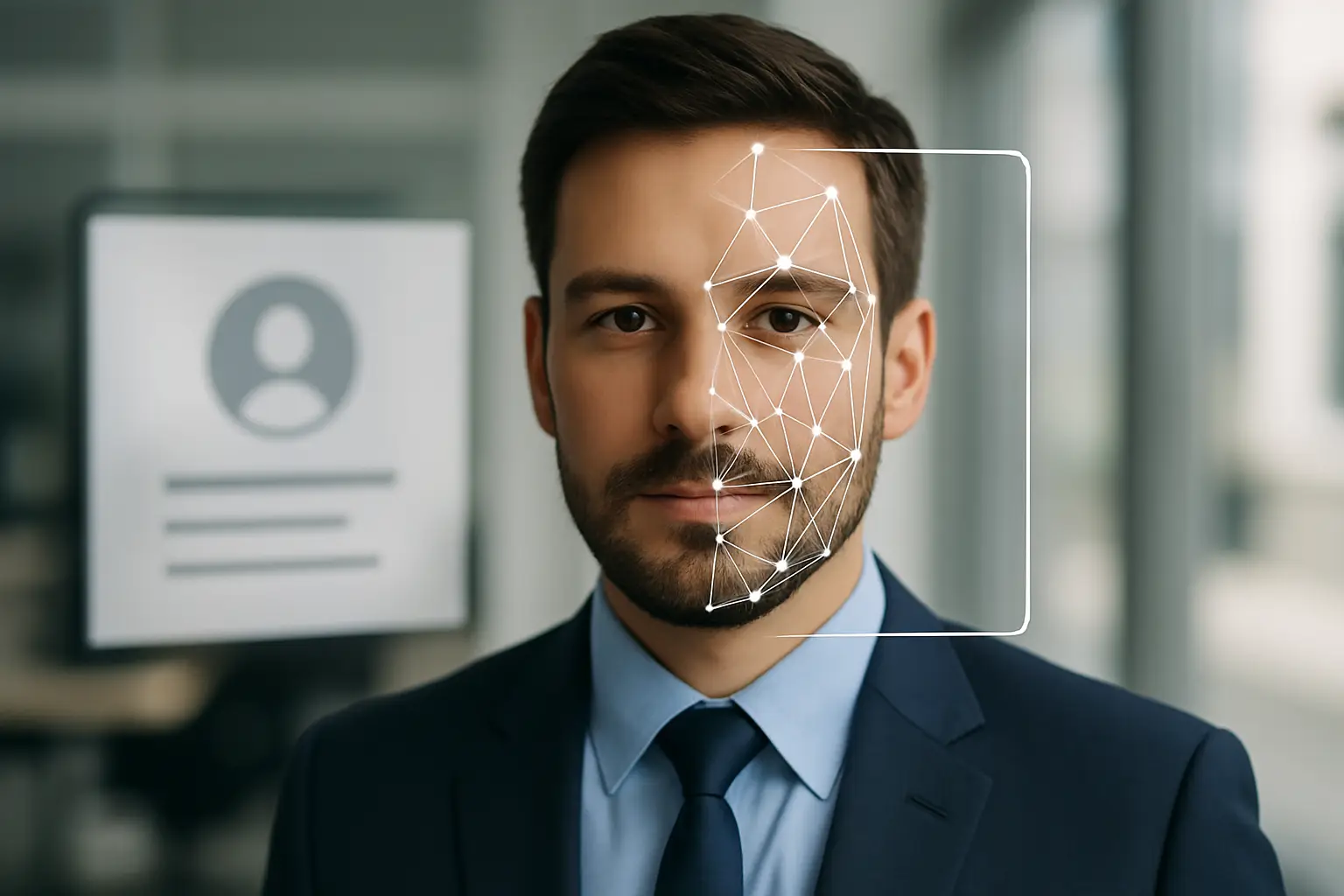
Once identity is anchored, the scan can focus on signal extraction. The best systems do not just “read a face.” They map facial structures and then translate them into behavioral tendencies.
A serious approach typically looks at things like:
- structural balance (how features align and distribute)
- tension signatures (where expression patterns cluster)
- intensity and softness cues (how the face signals drive, receptivity, restraint)
The output is not a single label. It is a set of cores, tendencies, and likely stress behaviors. That is what makes the report usable for compatibility, leadership, and communication style.
What you should expect a high-quality report to deliver
A name based face scan is only as good as the report format. If the output is a pile of generic traits that could fit anyone, you did not buy an analysis. You bought a horoscope with better typography.
A professional-grade report should feel like a structured breakdown of “personality architectural cores.” That means it should do three things.
First, it should describe baseline tendencies in plain language that you can test quickly in real life: how someone makes decisions, handles conflict, and responds to pressure.
Second, it should show pattern relationships. For example, high drive without emotional ventilation tends to create control behaviors under stress. High sensitivity without boundaries tends to create withdrawal patterns. When a report connects traits into mechanisms, it becomes actionable.
Third, it should provide context-specific angles: compatibility dynamics, leadership and team fit, and career alignment. Not because the scan can predict your future, but because people buy these reports to make better calls in environments where stakes exist.
Where name based face scans get used (and where they get misused)
There is a reason this category keeps growing. Time is expensive, and personality ambiguity is costly.
Smart use cases
If you are a manager or team lead, the scan is useful as a communication shortcut. It helps you choose how to deliver feedback, where to expect friction, and what kind of autonomy a person might crave.
If you are dating or in a relationship, it can help you name the pattern you keep bumping into: pursue-withdraw dynamics, jealousy triggers, conflict escalation styles, and emotional pacing mismatches.
If you are hiring or coaching, it can give you a fast hypothesis set. Not a verdict - a starting map.
Misuse cases you should avoid
A scan becomes reckless when people treat it as permission to label someone permanently. Personality signals are tendencies, not destiny.
It also becomes dangerous when used as the only input for decisions that require verification. Do not replace references, work samples, interviews, or real conversations with a report. Use the report to sharpen your questions and reduce blind spots.
The trade-offs: accuracy, confidence, and context
This is where most platforms get slippery: they sell certainty because certainty converts.
Here is the more honest version: a name based face scan can be highly consistent at pattern detection when the inputs are good, but the meaning of a pattern still depends on context.
Someone with strong intensity cues might be a decisive operator in a stable environment and a volatile micromanager under sustained stress. Someone with soft receptivity cues might be an elite listener on a healthy team and a chronic people-pleaser in a chaotic one.
So the correct way to use the report is not as a label, but as a leverage tool. It tells you what to watch, what to ask, and what to stop misinterpreting.
How to get better results from a name based face scan
Most bad scan results are not “bad AI.” They are bad inputs.
Use a recent, high-resolution photo with a clear view of the face. Avoid heavy filters and extreme angles. If you are choosing between photos, pick the one that looks most like the person on a normal day, not their most curated version.
Do not over-optimize expression. A neutral or natural expression is best because it reduces performance artifacts. The goal is to capture structure and habitual tension, not a staged emotion.
And match the scan to the question you are actually trying to answer. Compatibility? Leadership style? Emotional patterns? When you know your use case, you will interpret the report as a tool instead of a magic trick.
What makes SomaScan-style frameworks feel more “professional”
People share these reports when they feel like an engine produced them, not a content writer.
Framework naming and versioning matter because they signal repeatability: Pattern Analysis v4.2, Structural Integrity scoring, Five-Element Mapping, and long-horizon models like a 100-Year Life Map. The point is not to sound fancy. The point is to create consistent categories so the output can be compared across people.
If you want that kind of productized experience, SomaScan.ai positions itself as a #1 AI Face Reading Engine with a guided scan workflow and a PDF-ready report format built for sharing in personal and professional settings.
FAQs
Is a name based face scan the same as face recognition?
No. Face recognition is identification and matching. A name based face scan is identity anchoring plus interpretive analysis that outputs trait and pattern insights.
Can it tell “everything about anyone” from one photo?
It can generate a strong structured hypothesis fast, but it will not replace real behavioral evidence. Treat it like an intelligence brief: valuable, but not the whole case.
Is it useful for hiring?
It can be useful for shaping interview questions and anticipating team dynamics. It should not be used as a sole decision-maker because real performance still requires verification.
What if the person’s name is common?
That is exactly why the workflow should include confirmation steps and careful image selection. Name anchoring helps organization, but the user still must verify identity.
What makes the report “shareable”?
A clean, PDF-ready structure with consistent sections: cores, stress patterns, compatibility angles, and career signals. Shareability comes from clarity and formatting, not from hype.
If you want the best outcome from a name based face scan, stop asking whether it is “true” in some absolute sense and start asking whether it gives you a better next move - a sharper conversation, a cleaner hiring question, a more accurate read on tension, or a faster path to understanding someone without guessing.