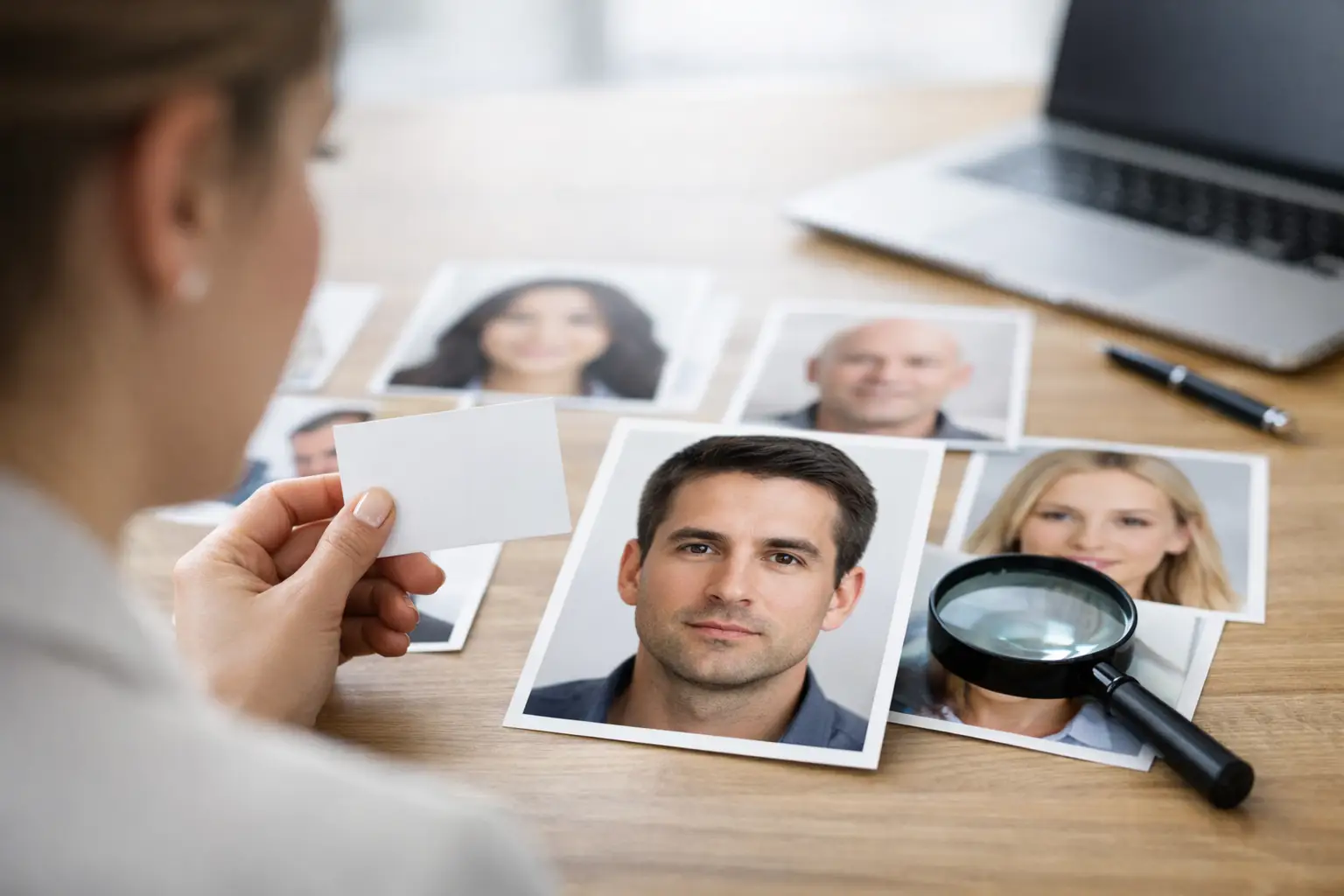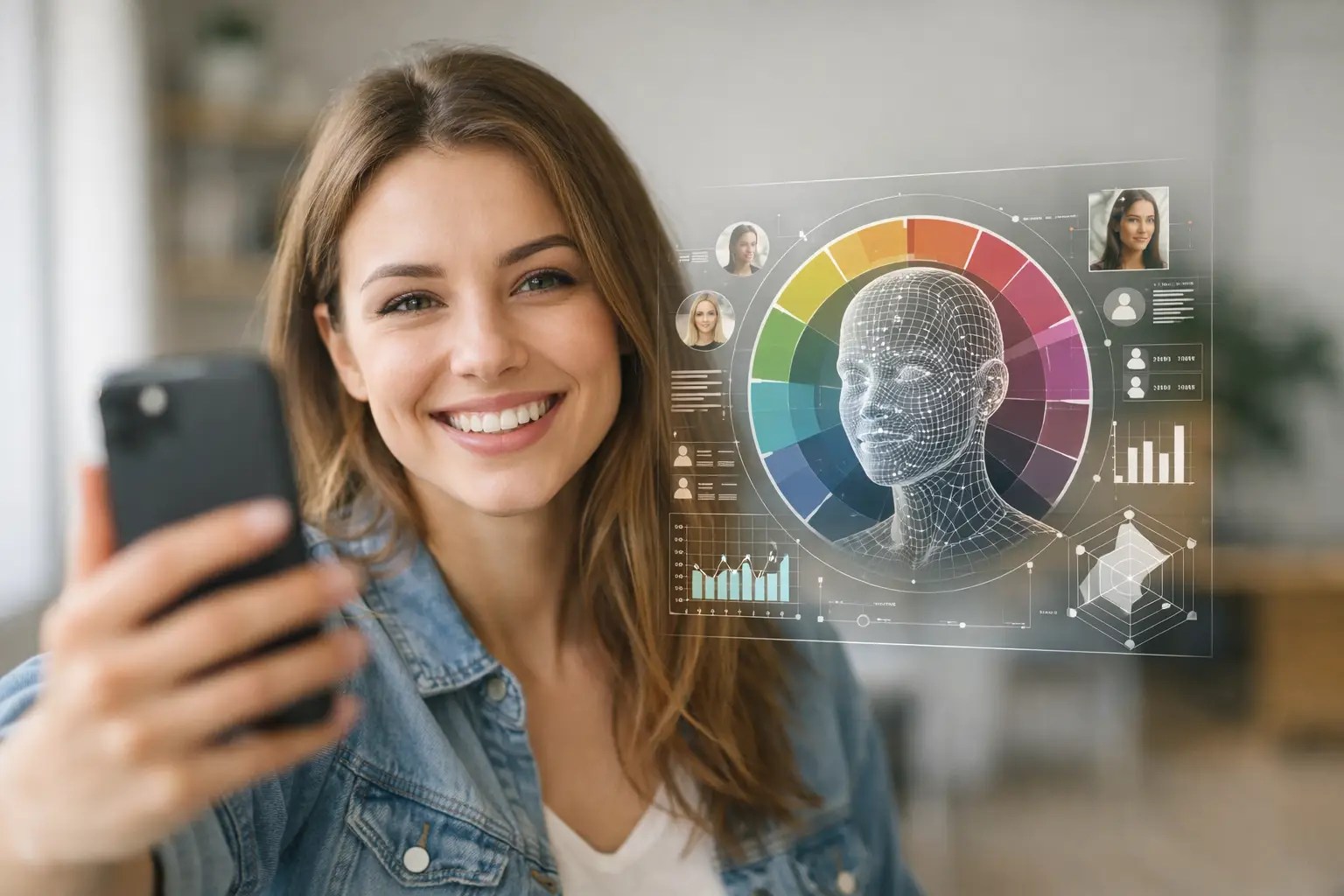
You can learn a lot from a resume, a dating profile, or a polished LinkedIn bio. What those rarely give you is immediate pattern recognition. That is why interest in an instant personality report from selfie is rising fast among professionals, managers, coaches, and everyday users who want a sharper read on character without spending hours on interviews, quizzes, or guesswork.
The appeal is simple. One image goes in. A structured report comes out. Instead of vague impressions, you get a framed interpretation of personality tendencies, emotional style, compatibility signals, and possible career strengths. For people who make decisions around trust, fit, and communication, speed matters. So does presentation. A report that feels organized, readable, and ready to share carries more weight than a random opinion.
What an instant personality report from selfie actually does
At its best, this type of analysis is not trying to replace human judgment. It is trying to compress it. A facial input becomes the starting point for a system that maps visual patterns into personality language people can use.
That matters because most people do not struggle with collecting information. They struggle with interpreting it. They can sense confidence, hesitation, warmth, rigidity, openness, or control, but they cannot always name what they are seeing. A guided AI report translates those signals into a cleaner framework.
This is where structure becomes the product. A strong engine does not just say someone looks intense or friendly. It organizes observations into categories such as emotional patterns, social expression, decision style, stress tendencies, interpersonal compatibility, and career alignment. The result feels less like entertainment and more like a working document.
Why this format is gaining traction
Traditional personality assessments ask for time, focus, and self-reporting. That creates friction. People rush through questions, answer aspirationally, or shape responses around how they want to be seen. A selfie changes the input method entirely.
For the user, the value is obvious. It is fast. It is low effort. It also feels more objective, even if interpretation still depends on the model behind the system. For a recruiter, team lead, or coach, that speed creates a useful starting point. For a curious consumer, it turns self-discovery into a two-minute action instead of a 45-minute exercise.
The strongest platforms understand that convenience alone is not enough. They package the output in a way that feels credible. That means a guided scan flow, named analytical frameworks, and a polished PDF-ready report instead of a loose block of text. When the delivery looks professional, the insight lands harder.
How the analysis usually works
Most people imagine magic. The real value is in process design.
A well-built platform starts by anchoring identity, often with a name or profile prompt, then moves into image discovery or image upload. From there, the scan engine evaluates visible facial structure, expression patterns, symmetry, tension markers, and presentation cues. Those visual features are then mapped into a personality model.
The better systems do not stop at generic labels. They use layered frameworks that create a deeper profile. You might see a reading broken into personality architectural cores, communication tendencies, emotional regulation patterns, compatibility indicators, and long-range life or career themes. This is why branded methodologies matter. Terms like Pattern Analysis v4.2 or Five-Element Mapping are not just marketing language. They signal that the platform has a repeatable logic behind the output.
That said, quality depends on image quality, framing, and the sophistication of the model. A clear, front-facing image with natural lighting gives the engine more to work with than a blurry vacation shot or a heavily filtered selfie.
What an instant personality report from selfie can reveal
The strongest reports do not claim that one face contains every truth about a person. They aim to surface tendencies that are useful in context.
For personal use, that often means getting language around your dominant style. Are you more measured than spontaneous? More guarded than expressive? More strategic than intuitive? A strong report helps people recognize recurring patterns in how they respond to conflict, closeness, stress, and decision-making.
For professional use, the output becomes even more practical. Managers may look for signs of leadership pressure, communication style, collaboration fit, or resilience under ambiguity. Coaches may use the report to start conversations about blind spots, confidence, and growth patterns. Recruiters may treat it as an additional signal when evaluating team dynamics or role alignment.
In relationship contexts, users usually care about friction and fit. They want to know whether someone reads as emotionally direct, avoidant, highly sensitive, dominant, or stable. The report does not replace chemistry or lived experience, but it can sharpen the questions people ask next.
Where this helps most and where it does not
This kind of tool is strongest at the front end of decision-making. It helps when you need a fast read, a discussion starter, or a structured impression you can review and share.
It is useful before interviews, during early team formation, in coaching sessions, and in personal reflection. It can also be valuable when people want language for patterns they have felt but could not articulate. That is one reason polished report design matters. Insights gain traction when they are easy to revisit later.
Where it gets weaker is when users expect certainty instead of interpretation. A selfie-based report should not be treated like a legal document, a medical opinion, or the sole basis for hiring or relationship decisions. People are dynamic. Context matters. Presentation changes. One image captures a moment, not a whole life.
The smartest users treat these reports as decision support, not decision replacement.
What separates a serious platform from a gimmick
This market has two categories. One is novelty. The other is productized insight.
A novelty tool gives you broad adjectives and a flashy interface. It might be fun, but it does not hold up in a real conversation. A serious platform creates a guided process, applies named frameworks, and delivers a report with enough structure to feel operational.
That means the output should be specific without becoming absurdly overconfident. It should show patterns, not just compliments. It should sound consistent from section to section. And it should give the user a clear sense of how the insights could be used in work, relationships, or self-development.
This is where SomaScan.ai has positioned itself aggressively, with a system-led experience built around AI face reading, report structure, and professional-ready presentation. For the right audience, that product framing matters as much as the scan itself.
How to get a better report from a single selfie
The quality of input shapes the quality of output. If you want a sharper read, use a recent image with neutral lighting, minimal filters, and a direct angle. Keep your face visible, your expression natural, and the image clean. Heavy editing reduces signal. So does dramatic lighting.
It also helps to be clear about the use case. Are you trying to understand your communication style? Team fit? Dating compatibility? Career direction? The same visual analysis can be framed differently depending on the question. A strong platform will reflect that in how the report is organized.
Finally, read the output with both openness and discipline. If a section feels accurate, ask why. If it feels off, ask whether the image, context, or your own expectations shaped the result. The value is not blind belief. The value is accelerated interpretation.
FAQ
Is a selfie-based personality report accurate?
It depends on what you mean by accurate. These tools are best at identifying tendencies, presentation patterns, and interpersonal signals. They are less useful if you expect perfect certainty about every trait.
Can this be used for hiring or team decisions?
It can be used as a supporting input, especially for communication and fit discussions. It should not be the only factor in a hiring or management decision.
Does a better selfie produce a better report?
Yes. Clean lighting, a natural expression, and a clear front-facing image usually improve the scan quality and the consistency of the interpretation.
Is this just for personal curiosity?
No. Many users want fast decision support for coaching, recruiting, team building, compatibility conversations, and career reflection.
The real advantage of this category is not that it claims to know everything from one image. It is that it turns a familiar object - a selfie - into a fast, structured signal you can actually use. When the engine is strong and the report is built for action, that speed becomes more than convenience. It becomes clarity.