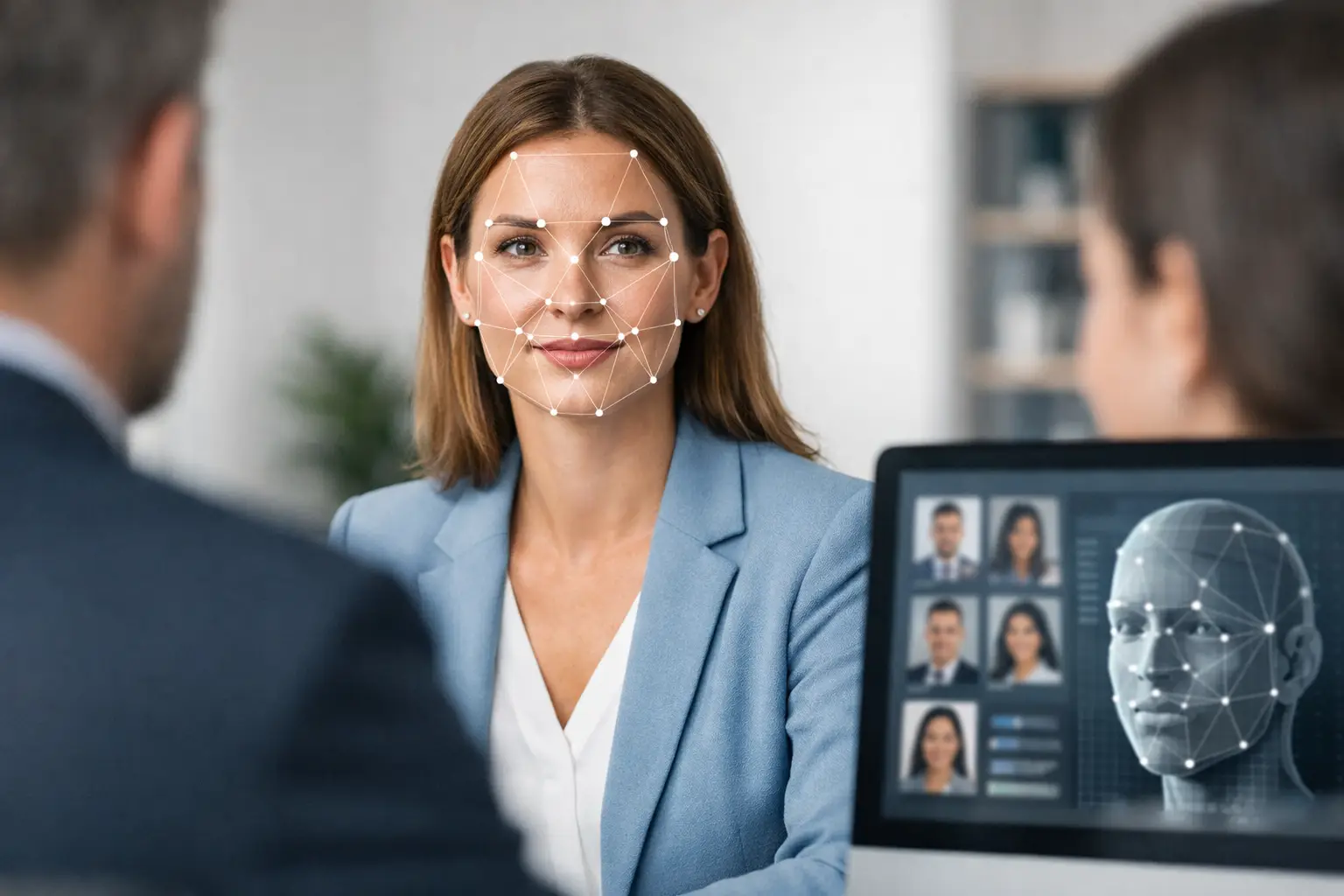
A resume can tell you where someone worked. An interview can tell you how well they prepare. Neither reliably tells you how a person tends to operate under pressure, how they carry emotional intensity, or how they may affect team chemistry once the offer is signed. That is exactly why more teams are asking how to use facial analysis for hiring - not as a replacement for sound recruiting, but as an added signal when the stakes are high.
The smart way to approach this is not mystical and it is not random. It is structured pattern reading. When used correctly, facial analysis helps hiring teams build a faster first-pass read on personality tendencies, communication style, emotional steadiness, and likely compatibility with the role environment. Used carelessly, it becomes noise. The difference is process.
What facial analysis can actually do in hiring
Facial analysis is most useful when you treat it as a behavioral signal layer. It is not a lie detector. It is not proof of performance. It is a way to surface likely tendencies that may not show up clearly in a resume screen or a polished interview.
That matters because hiring decisions usually fail on human factors, not credentials. A candidate may look perfect on paper and still create friction in a fast-moving team. Another may interview modestly but carry the emotional resilience and interpersonal steadiness the role truly needs. Facial structure and expression patterns can help reveal those hidden variables earlier.
For recruiters and managers, the practical value is speed. Instead of relying only on instinct, you get a structured interpretation of traits like assertiveness, adaptability, emotional intensity, discipline, social style, and compatibility markers. That gives you a cleaner starting point for interviews and a sharper frame for comparison.
How to use facial analysis for hiring without misusing it
The strongest hiring teams do not use facial analysis to make the decision. They use it to improve the decision. That distinction matters.
Start by defining what the role actually requires at a human level. A sales closer and a compliance analyst may both be high performers, but they are rarely high performers in the same way. One role may reward outward energy, speed, and persuasive force. Another may depend on patience, consistency, caution, and low-reactivity judgment. If you do not know the behavioral demands of the role, no analysis tool will save you.
Once the role profile is clear, use facial analysis as an early interpretive screen. Review the report for personality architecture, communication patterns, emotional indicators, and work-style tendencies. Then compare those signals against the demands of the job, the pace of the team, and the manager's leadership style.
This is where the process becomes useful. You are not asking, "Is this face good or bad for hiring?" You are asking better questions. Does this candidate look naturally suited for ambiguity or structure? Do they project intensity that fits a high-conflict environment, or would that same intensity create avoidable friction? Do they appear more independent, more consensus-driven, more guarded, more expressive? Those questions lead to better interviews.
Build it into the workflow, not around it
If you want consistency, facial analysis needs a place in your workflow. The cleanest approach is to use it between resume review and final interviews.
At that stage, you have enough information to know whether a candidate is viable, but not enough real-world exposure to understand their likely interpersonal impact. A facial analysis report can help shape the next step. It can suggest which areas to probe, what management environment may suit the person, and where a candidate may either stabilize or strain a team.
For example, if the analysis suggests strong independence and low tolerance for micromanagement, that is not automatically good or bad. It depends on the role. In an entrepreneurial environment, that may be a major plus. In a tightly controlled process-driven department, it may signal likely tension. The report gives context. Your job is to test that context in conversation.
This is also why a guided, report-based platform works better than casual people-reading. A structured output is easier to compare across candidates and easier to discuss internally. It moves the conversation from vague gut feel to documented patterns.
What to look for in a hiring-focused facial analysis report
Not every report will be useful for hiring. The strongest reports are the ones that turn visual inputs into role-relevant interpretations.
Look for signals around temperament first. Is the candidate likely to be steady, reactive, assertive, guarded, empathetic, forceful, or adaptable? Then look at energy style. Some people project direct momentum. Others project measured control. Neither is universally better. The point is fit.
Next, review emotional patterns. A candidate who reads as highly expressive may thrive in collaborative, relationship-heavy work and struggle in cold, repetitive environments. A more contained profile may be ideal for analytical or confidential functions but less naturally magnetic in public-facing roles.
Finally, consider compatibility. Strong hires do not just match the job. They match the environment. That includes team culture, reporting lines, pace, conflict level, and communication norms. This is often where hiring goes wrong, and it is where facial analysis can add disproportionate value.
Platforms that package these insights into a professional report are easier to use at scale. On https://somascan.ai, for example, the appeal is not just speed. It is the structured feel of the output - something closer to a decision-support document than a novelty reading.
Where facial analysis helps most
It tends to be most useful in roles where personality expression changes outcomes. Hiring for sales, client service, leadership, recruiting, coaching, and team-based execution all involve heavy interpersonal load. In those cases, technical skill alone rarely predicts success.
It can also help in final-stage tie-breakers. When two candidates are similarly qualified, the hidden differentiator is often behavioral fit. One may be more resilient under stress. Another may be more naturally diplomatic. Another may be more rigid than the team can tolerate. Those are expensive things to discover after onboarding.
That said, there are limits. Facial analysis should not override direct evidence, skill testing, references, or legal hiring standards. A weak candidate does not become strong because a report sounds impressive. A strong candidate does not become weak because one signal looks mismatched. This works best as a pattern amplifier, not a verdict machine.
The right interview questions after the scan
Once you have the report, use it to sharpen your interviews. If the analysis suggests high dominance, ask about collaboration under disagreement. If it suggests caution and reserve, ask how the candidate handles rapid change or public-facing communication. If it suggests emotional intensity, ask for examples of pressure, conflict, and recovery.
This is where real value shows up. The report generates hypotheses. The interview tests them. Over time, your team starts spotting which patterns tend to map well to which roles. That creates a more disciplined hiring system and reduces dependence on charisma, bias, or first-impression noise.
The biggest mistake to avoid
The biggest mistake is using facial analysis as a shortcut to certainty. Hiring does not reward certainty theater. It rewards layered judgment.
A strong process combines resume evidence, skill validation, interview quality, references, and structured personality insight. Facial analysis belongs in that stack because it adds a dimension many teams otherwise miss. But it should never become an excuse to stop thinking.
The best recruiters already know this. Every hiring tool is only as good as the decision framework around it. Facial analysis is powerful when it helps you ask better questions, compare candidates more clearly, and anticipate fit with more precision than instinct alone.
If you want to use facial analysis for hiring well, think like an operator. Define the role, read the patterns, test the signals, and make the final call with context. People are too complex for one input, but too important to evaluate with guesswork alone.
A better hire usually starts with seeing more than the resume shows.