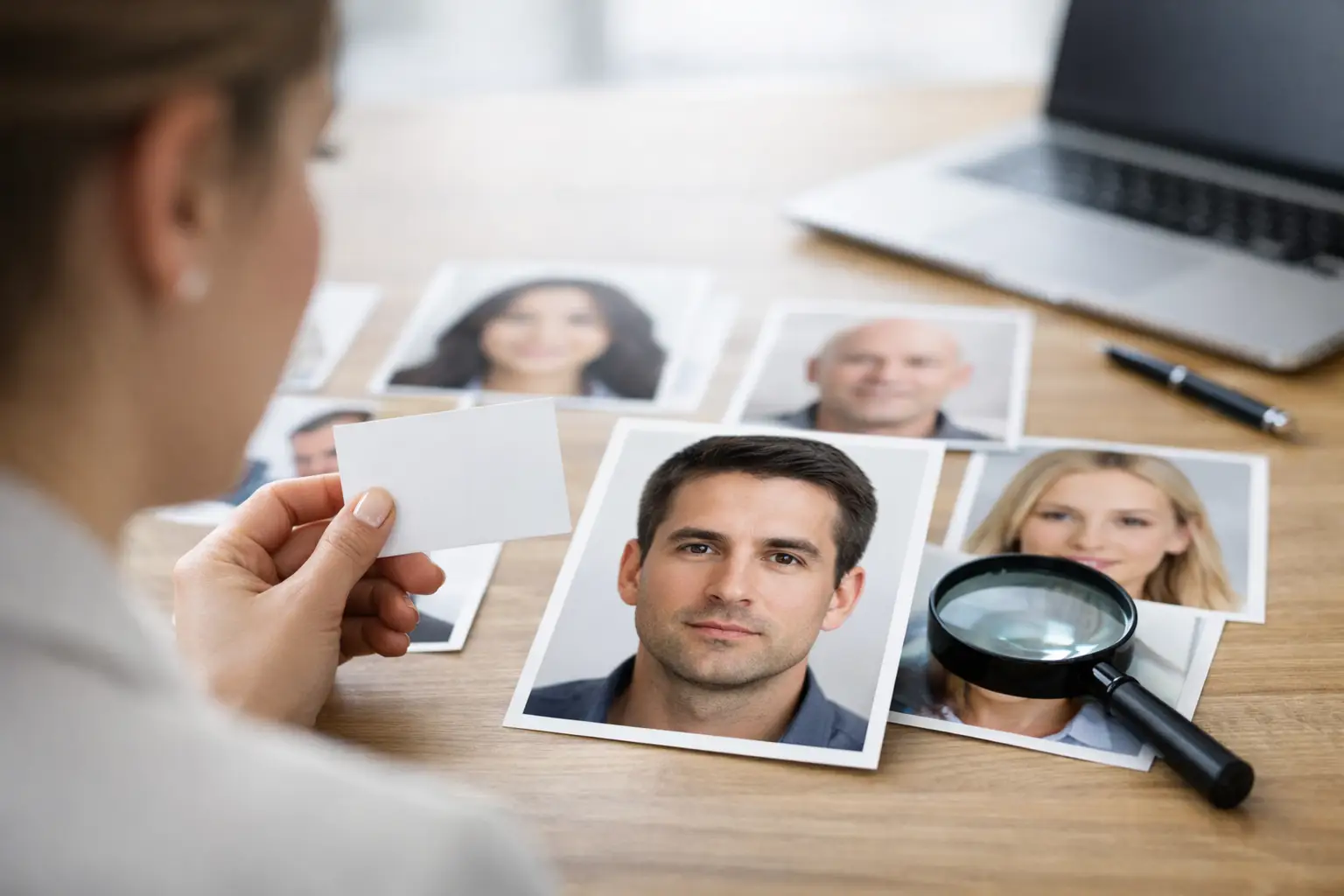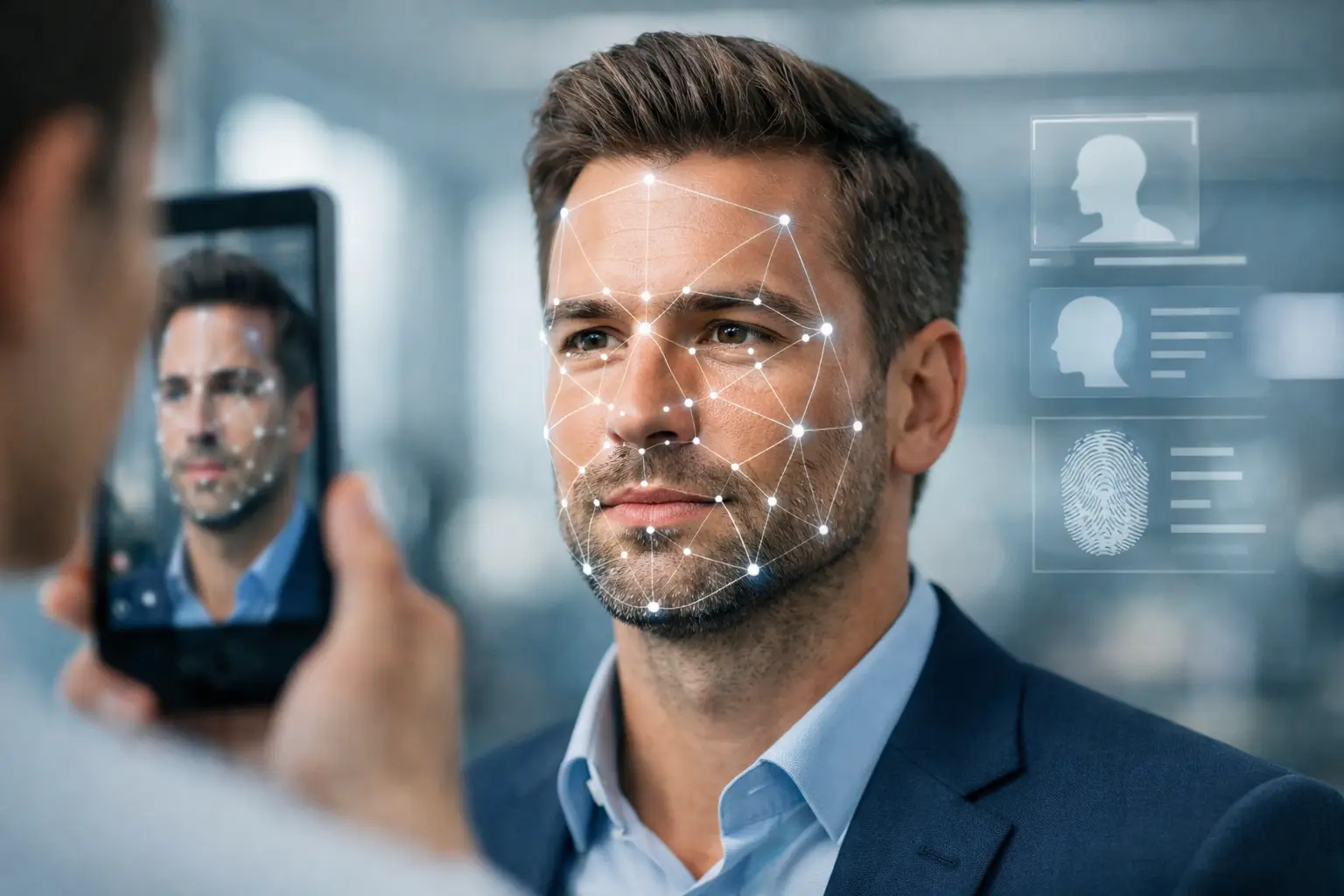
You can upload a face in seconds. Getting the right person is the hard part. That is the real answer behind why does name matter in face scan workflows - a face alone is visual data, but a name helps anchor identity, narrow discovery, and keep the analysis tied to the correct individual from the first step.
For users, that may sound almost too simple. If the system can see a face, why ask for a name at all? Because facial analysis is not just about detecting eyes, jawlines, symmetry, or expression markers. In a guided scan experience, the name acts like an identity key. It gives the engine a starting point for profile discovery, image matching, record organization, and final report labeling. Without that anchor, the process gets looser, and loose inputs create weaker outputs.
Why does name matter in face scan accuracy?
A face scan engine can process an image without a name. That part is true. But processing an image and analyzing the right person are not the same thing.
The moment a user enters a name, the system can frame the scan around a specific identity target. That matters when multiple photos exist, when similar-looking faces appear across platforms, or when the user wants a polished report that belongs to one person and not a mixed data trail. The name reduces ambiguity before the visual analysis even begins.
That is especially valuable in consumer-facing personality analysis. The end product is not just a technical readout. It is a structured interpretation of character tendencies, emotional patterns, compatibility signals, and behavioral architecture. If the scan starts from uncertain identity, the report can feel generic or disconnected. If the scan starts with a clear name, the output feels sharper, more coherent, and more usable.
In other words, the name does not replace the face. It stabilizes the scan around the face that actually matters.
A name is the first identity anchor
Every strong analysis system needs an anchor. In face scanning, the image provides the biological and structural signal. The name provides the identity frame.
Think about the difference between scanning "a person" and scanning "Michael Torres from Austin" or "Jennifer Lee from Seattle." The second input is not just more specific. It gives the system context for discovery and organization. Even when the visual engine is doing the heavy lifting, the name helps prevent drift.
This matters because face analysis often sits inside a larger workflow. There may be profile lookup, image selection, report generation, PDF output, and saved history. If all of that starts from an unlabeled image, the user experience becomes fragile fast. Which scan belonged to whom? Was this the right person? Did the report get attached to the right profile? A name solves these problems early.
For professionals, that matters even more. A recruiter, manager, coach, or team lead is not looking for vague intrigue. They want decision support. Clean identity anchoring creates cleaner confidence.
The role of names in image and profile discovery
One of the biggest practical reasons a name matters is discovery.
Many face scan platforms do more than accept a single uploaded photo. They may support a guided process that identifies matching images, organizes profile candidates, or prepares the subject for a deeper report. In that environment, the name acts as a directional filter. It tells the system where to look and what to prioritize.
Without a name, the engine is working from pure visual input. That can be enough for direct image analysis, but it is weaker for discovery workflows. Similar faces exist. Old photos exist. Cropped images exist. Low-quality screenshots exist. A name helps the system separate likely matches from noise.
This is where users often misunderstand the workflow. They assume the face scan is only about what happens after the image is chosen. In reality, the quality of the chosen image often determines the quality of the final read. If the name helps lead the engine toward the correct identity and stronger source images, it improves the analysis before the report is even built.
That is not cosmetic. It is operational.
Why a face alone is not always enough
Facial analysis engines are powerful, but they are not magic. A single face image can be blurry, angled badly, filtered, outdated, or emotionally unrepresentative. Even a strong image only captures one visual state.
A name helps because it supports continuity. It links the scan session to a person, not just a photo. That distinction matters when the system needs to store, compare, label, or revisit the subject across a guided process.
There is also a practical trust layer. Users are more likely to trust a report that clearly names the subject and presents the analysis as belonging to a defined person. A labeled report feels deliberate. An unlabeled facial output feels temporary, almost like a demo. In a product built to deliver professional-grade insights, that difference is huge.
This is one reason premium analysis platforms structure the experience around identity first, scan second, report third. It feels more credible because it is more coherent.
Why does name matter in face scan reports?
Because reports are meant to be used.
A consumer may want personal clarity. A coach may want a discussion tool. A hiring manager may want a directional read on communication style or team fit. A compatibility user may want a cleaner way to think about emotional patterns. In every case, the report needs to point to a specific person with confidence.
The name matters here for three reasons. First, it creates report ownership. The output is clearly tied to one individual. Second, it improves usability. A PDF-ready report with a defined subject is easier to save, share, compare, and reference. Third, it supports consistency. If a user runs multiple scans over time, the name keeps the analysis organized and trackable.
That may sound administrative, but it affects perceived quality. The strongest systems do not just generate insights. They package them in a way that feels precise. Identity labeling is part of that precision.
For a platform like SomaScan.ai, that is not a minor detail. It is part of the product architecture. The name establishes the subject. The scan builds the structural reading. The report turns that reading into a usable asset.
The trade-off: name improves relevance, but inputs still matter
This is where nuance matters.
A name does not guarantee a perfect result. If the wrong name is entered, if the image is poor, or if the subject is hard to verify visually, the workflow can still lose precision. Name input helps, but it is not a substitute for strong source material.
There is also a difference between identity anchoring and personality inference. The name primarily helps the system stay attached to the right person and organize the analysis correctly. The face remains the core source for structural interpretation. So if someone asks whether the name itself changes bone structure reading or expression pattern analysis, the answer is not directly. What it changes is confidence in who the system is analyzing and how the results are packaged.
That distinction is useful because it sets proper expectations. A strong scan depends on clean inputs working together. Name, image, and workflow each do a different job.
What users should take from this
If a platform asks for a name before a face scan, it is not just collecting a label for decoration. It is setting the scan on rails.
The name helps define the subject, improve match confidence, support image discovery, and keep the final output attached to the correct individual. That is why the workflow feels more structured and why the report feels more professional at the end.
For people using facial analysis for self-discovery, that creates a cleaner, more personal read. For professionals using it for team dynamics, compatibility discussions, or fast personality signals, it creates something even more valuable - confidence that the insight belongs to the right person.
And that is the bigger point. In face scanning, better identity anchoring does not just make the system look smarter. It makes the result more usable, more credible, and far more worth acting on.
The strongest analysis starts before the image is processed. It starts when the system knows exactly who it is looking at.