A face is not a résumé, a diagnosis, or a final verdict on who someone is. But it is a highly visible record of expression, presentation, and the patterns people use to move through the world. So, can AI face scans reveal character? The useful answer is more precise: AI can organize facial pattern signals into personality-oriented hypotheses, but those insights become valuable only when they are read with context, judgment, and a clear understanding of their limits.
For people who need faster signals about communication style, relationship dynamics, or team fit, that distinction matters. A well-designed facial analysis report is not meant to replace a conversation. It gives you a sharper place to start one.
Can AI Face Scans Reveal Character From One Image?
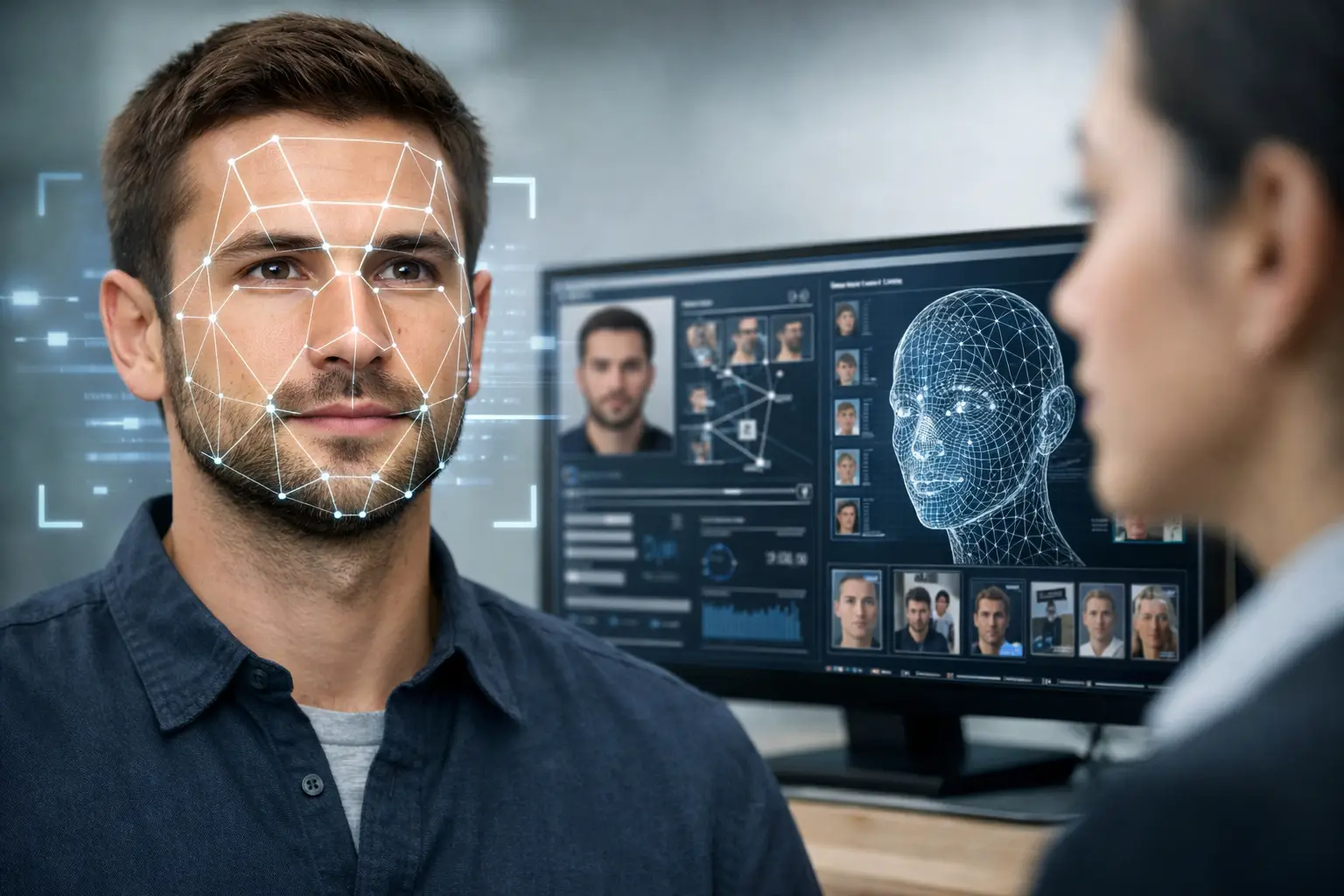
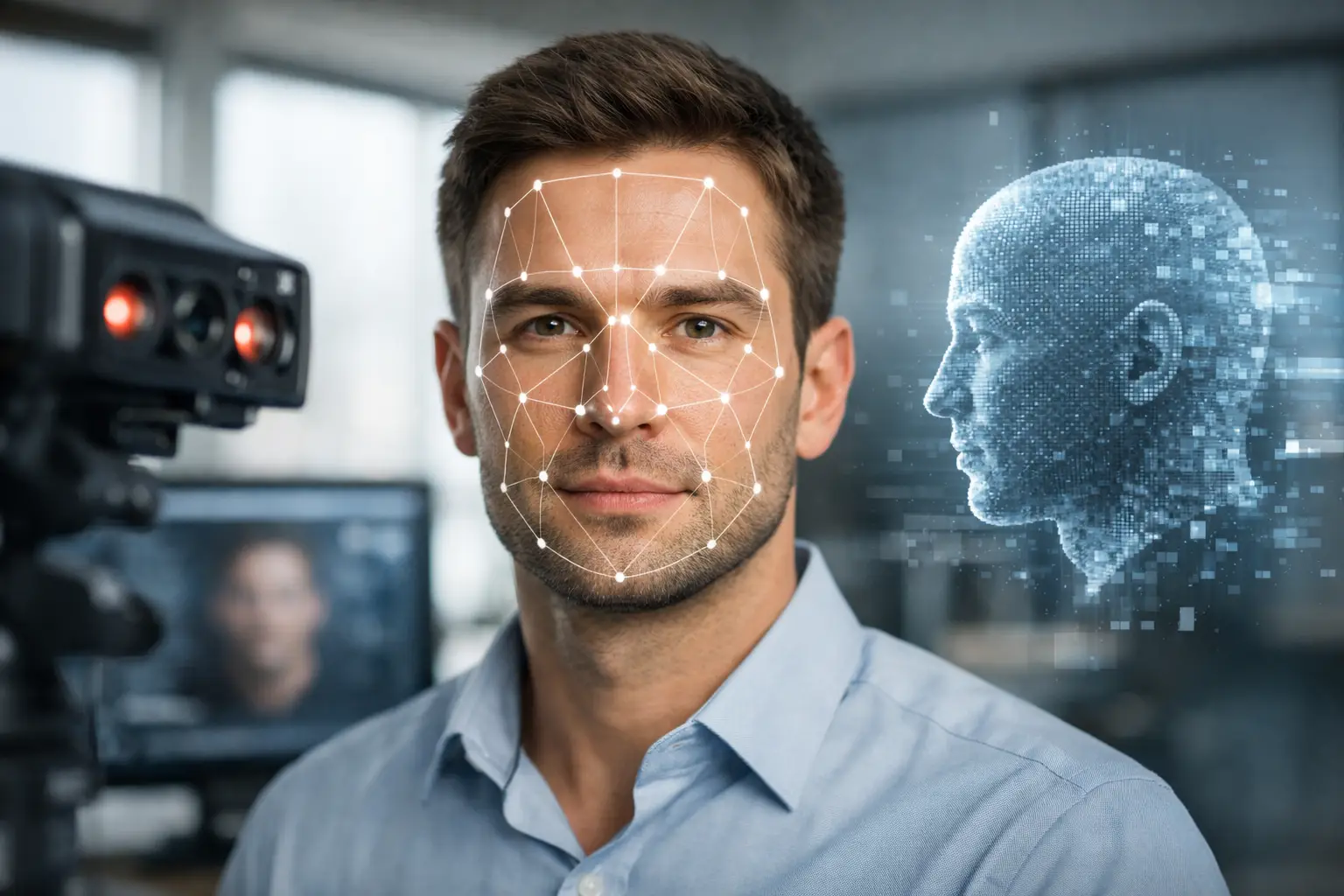
An AI face scan begins with observable structure. The system detects features such as facial proportions, contour relationships, symmetry, expression cues, and visible tension or softness across different regions of the face. A Neural Scan can then compare those patterns against an interpretive framework and produce a structured readout.
What it cannot do is access a person’s private motives, moral worth, intelligence, or future behavior with certainty. Character is built through choices over time. No image can fully account for upbringing, culture, stress, health, a difficult week, or the fact that someone may simply dislike having their photo taken.
That does not make face reading useless. It defines the right use case. Think of it as a pattern-analysis tool, not a truth machine. The scan may surface tendencies worth exploring: whether a person appears more direct or reserved in their presentation, whether they may favor control or flexibility, or whether their visible style suggests a high need for connection, privacy, pace, or recognition. These are starting signals, not permanent labels.
The Difference Between Detection and Interpretation
AI is exceptionally good at detection. It can identify and measure visual relationships at a speed no human observer can match. The more difficult layer is interpretation: deciding what those visual relationships may mean in a real person’s life.
That is where a structured methodology matters. A report built around Pattern Analysis, Structural Integrity, Five-Element Mapping, and emotional-pattern categories gives the output a consistent architecture. Rather than dropping vague compliments or generic personality statements, it can organize observations into connected themes: how someone handles pressure, where they may seek stability, what interpersonal friction they may encounter, and which environments may better support their strengths.
Still, framework does not eliminate uncertainty. A strong jawline is not proof of leadership. Wide-set eyes are not proof of creativity. Facial features do not operate as isolated personality switches. The value comes from examining clusters of signals, comparing them with lived behavior, and allowing the person to confirm, reject, or refine the interpretation.
The best report creates productive recognition. It gives someone language for a pattern they have felt but struggled to name. If the output says a person may become highly self-reliant under pressure, the next question is not, "Is this definitely true?" It is, "When does this show up, and does it help or limit me?"
What a Facial Analysis Report Can Do Well
For personal discovery, a face scan can make reflection more concrete. People often know they are frustrated at work or repeating the same relationship dynamic, yet cannot identify the underlying pattern. A structured report can create a useful prompt around emotional pacing, boundaries, conflict style, or decision-making tendencies.
For professionals, the most practical value is preparation. A manager may use a report as one input before a coaching conversation. A recruiter may use it to think more carefully about communication preferences, never as a hiring filter. A coach may use it to frame questions about confidence, visibility, ambition, or collaboration. In each case, the report works best when it increases curiosity instead of pretending to eliminate it.
A PDF-ready analysis also creates a shared language. Instead of saying, "You seem difficult to read," a team lead can ask whether someone prefers time to process before responding. Instead of calling a partner "cold," a couple can discuss how each person signals care under stress. The insight becomes useful when it improves the quality of the conversation that follows.
SomaScan.ai is designed around that type of guided discovery: a fast scan, structured personality architectural cores, and a polished report that turns broad impressions into themes people can examine. The report is most powerful when treated as a mirror with angles, not a courtroom judgment.
Where AI Face Reading Can Go Wrong
The risk is not that AI produces a pattern. The risk is that people confuse a pattern with certainty.
Photos can be misleading. Lighting changes contours. Camera angles alter proportions. Cosmetic procedures, makeup, facial hair, aging, fatigue, and a forced smile can all affect what the system sees. Image quality matters, but even a perfect image cannot capture the full reality of a person.
Bias is another serious concern. Any system that connects visual information to personality concepts must be tested carefully across different ages, ethnicities, genders, cultures, and presentation styles. If a tool treats one cultural expression of confidence as the universal standard, its output will be less useful and less fair.
There is also a line that should not be crossed in professional settings. Facial analysis should never be the sole basis for hiring, firing, promotion, pay, criminal assessment, medical judgment, or any high-stakes decision. It should not be used secretly. People deserve to know when their image is being analyzed and to decide whether they want to participate.
Use the result to ask better questions, not to make irreversible decisions about someone else.
How to Get a More Useful Read
Start with a current, clear, front-facing image in natural lighting. Avoid dramatic filters, extreme angles, sunglasses, and heavy visual editing. A cleaner input gives the system a more stable visual foundation.
Then read the report as a set of connected themes. Do not latch onto one trait that flatters or alarms you. Look for repeated ideas across emotional patterns, structural tendencies, social dynamics, and career alignment. The strongest insights are usually the ones that explain a recurring experience rather than a single mood.
Finally, pressure-test the output against real life. Ask where a described tendency appears, what triggers it, and whether people close to you would recognize it. If a result does not fit, do not force it. A good self-discovery tool should increase agency, not persuade you to become a stereotype.
Questions People Ask About AI Face Scans
Is AI face reading scientifically proven?
AI can reliably analyze visible facial features and patterns. Claims that those features can definitively reveal deep personality or character are far less certain. Interpretive face-reading reports are best used for reflection, conversation, and hypothesis-building rather than as scientific diagnoses.
Can a scan identify compatibility?
It can suggest areas where two people may communicate easily or experience friction, such as pace, emotional expression, decision style, or need for independence. Real compatibility also depends on values, behavior, timing, trust, and shared effort. No scan can replace those factors.
Should managers use face scans for team building?
They can use voluntary reports as conversation prompts during coaching or team-development work. They should not use them to rank candidates, screen applicants, or make employment decisions. The responsible standard is transparency, consent, and human judgment.
The most useful question is not whether an AI scan can tell you everything about a person. It is whether it can help you notice a meaningful pattern you would otherwise miss. Use that pattern with humility, test it in real conversations, and let the person behind the face remain more complex than any report.