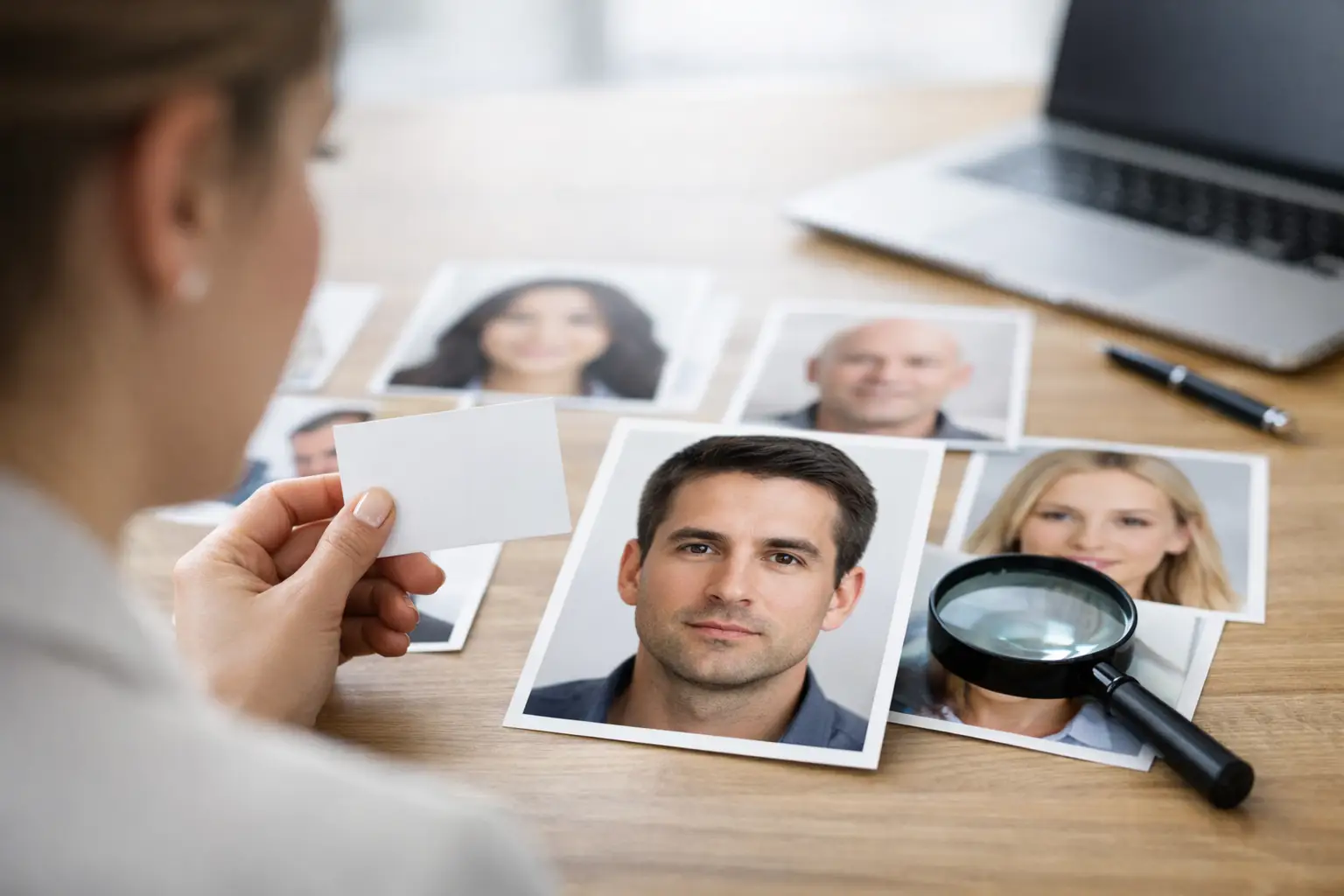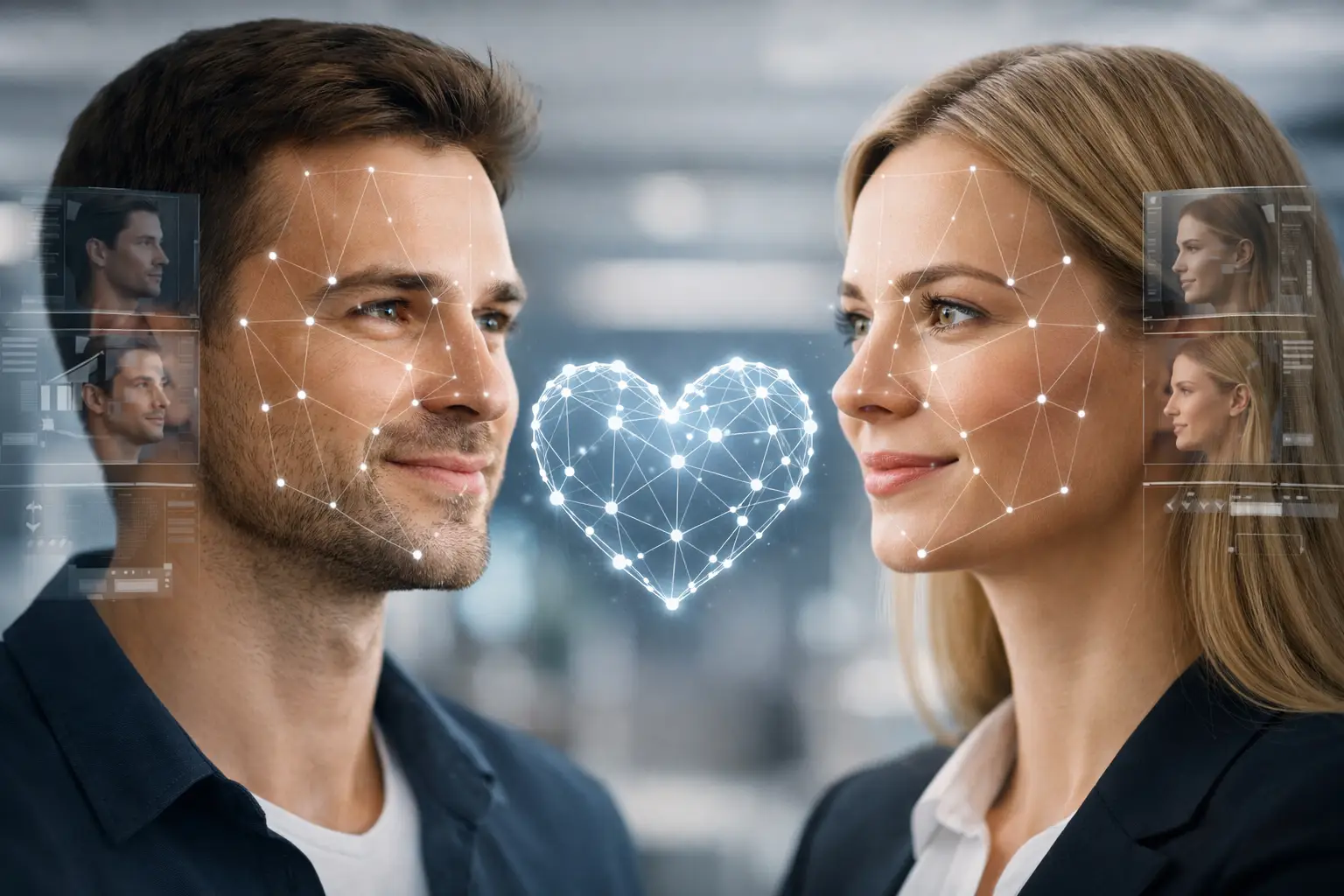
You meet someone and feel the instant question start running in the background: are we actually a good match, or am I reading what I want to see? That is exactly why people ask, can facial analysis predict compatibility - because first impressions happen fast, but real compatibility is harder to name.
The short answer is yes, facial analysis can contribute meaningful compatibility signals. But the real value is not mind reading, fortune telling, or a cartoon version of attraction. It is pattern detection. When facial structure, expression habits, and visual personality markers are analyzed through a consistent system, they can reveal tendencies tied to communication style, emotional regulation, social energy, and decision-making. Those are the traits that shape whether two people work smoothly together, clash under pressure, or keep misunderstanding each other.
That matters in more than dating. Managers want better team fit. Recruiters want faster behavioral signals. Coaches want a cleaner read on interpersonal friction. Individuals want clarity before they invest time, emotion, or trust. Compatibility is rarely about whether two people are identical. It is about whether their patterns can hold together in the real world.
What compatibility actually means
Most people use compatibility as shorthand for chemistry. That is too narrow. In practice, compatibility is a blend of tempo, emotional style, conflict behavior, openness, reliability, and personal priorities. Two highly driven people may admire each other and still create constant tension. Two emotionally intense people may bond quickly and burn out just as fast. A calm, structured person may pair well with someone expressive and spontaneous - or feel drained by them.
This is where facial analysis becomes useful. It does not replace lived experience. It sharpens the starting read. Instead of guessing based on charm, status, or surface confidence, you get signals about the deeper architecture behind how someone likely processes stress, trust, boundaries, and connection.
Can facial analysis predict compatibility in a practical way?
Yes - if you define predict the right way.
Prediction here does not mean a guaranteed outcome. It means identifying probable fit patterns before they become obvious through trial and error. A strong facial analysis system can flag traits that tend to support compatibility, such as emotional steadiness, directness, adaptability, ambition level, and sensitivity to control or criticism.
For example, two people might both appear confident, but their underlying patterns can be very different. One may show structural markers associated with disciplined follow-through and measured emotional output. The other may show signs of intensity, impulsive decision-making, and a need for stimulation. That pairing is not automatically doomed. It simply suggests that attraction may be easier than long-term alignment.
That is the practical edge. Facial analysis helps move the conversation from vague vibes to observable tendencies.
What AI facial analysis looks for
A serious compatibility read is not based on one expression or a single flattering photo. It works by analyzing clusters of visual data. That includes structural proportions, set and balance of features, tension patterns, habitual expressions, and how different elements interact.
In a systemized model, those signals are interpreted as indicators of behavioral tendencies. A more rigid facial structure might correlate with consistency, self-protection, or a strong internal framework. Softer or more adaptive patterns may suggest flexibility, emotional openness, or responsiveness to context. Eye area dynamics can point toward focus, sensitivity, or vigilance. Mouth tension can hint at restraint, expressiveness, or suppressed frustration.
No one trait decides compatibility. The value comes from combination analysis. That is why platform-led systems matter more than amateur guesswork. A tool such as SomaScan.ai frames the process as structured signal extraction rather than casual face interpretation, using a guided scan and report logic that feels closer to a behavioral engine than a personality quiz.
Where facial analysis is strongest
Facial analysis performs best when the goal is early-stage insight. It is especially useful when you need a faster read than conversation alone can provide.
In hiring or team building, it can surface whether someone is likely to prefer autonomy or close collaboration, whether they operate with visible intensity or quiet control, and whether they may mesh with a fast-moving or highly structured environment. In relationships, it can highlight differences in emotional pace, conflict style, and attachment patterns before those differences start causing friction.
It is also strong at revealing asymmetry. Two people may both present as "easygoing," while one is actually conflict-avoidant and the other is simply relaxed. Those are not the same trait, and they do not lead to the same outcomes. Compatibility often breaks down not because people are opposites, but because they misunderstand what the other person is actually built to handle.
Where it has limits
This is the part most brands dodge. We will not.
Facial analysis can identify tendencies. It cannot account for every variable that shapes a relationship or working dynamic. Maturity matters. Trauma history matters. Shared values matter. Timing matters. So does whether someone has done the work to manage their weaker patterns.
A person with markers of intensity may be difficult in one season of life and highly effective in another. Someone who appears emotionally guarded may become deeply loyal once trust is established. Compatibility is dynamic. It is affected by self-awareness, context, and what each person expects from the connection.
So if you are asking can facial analysis predict compatibility with perfect accuracy, no. That is not the right standard. The better question is whether it can reduce blind spots and improve your read before higher-stakes decisions. In that sense, yes, absolutely.
Why people trust facial analysis anyway
Because most people already make snap judgments from faces. They just do it badly.
We infer warmth, dominance, reliability, nervousness, ambition, and openness almost instantly. The difference is that informal judgment is messy, biased, and inconsistent. A structured AI analysis aims to make those instinctive reads more disciplined. Instead of relying on pure intuition, it applies the same framework across users and returns a report built around recurring personality patterns.
That consistency is what makes the output useful. It does not ask you to ignore your own judgment. It gives your judgment a framework.
Can facial analysis predict compatibility better than chemistry alone?
In many cases, yes.
Chemistry is powerful, but it is also noisy. People are often drawn to familiarity, intensity, confidence, or novelty without understanding the cost of those dynamics over time. Facial analysis can surface what chemistry hides. It can show where attraction may be masking mismatched emotional bandwidth, competing control tendencies, or different levels of resilience under pressure.
That does not kill romance or spontaneity. It simply adds intelligence to the process. The same goes for business relationships. A charismatic candidate can impress in an interview and still destabilize a team. A quieter candidate may initially seem less magnetic while showing stronger long-term alignment.
The face is not the whole story. But it often tells more truth than performance does.
How to use compatibility insights without overreaching
The smartest way to use facial analysis is as a decision support layer. Not a verdict.
If a report suggests strong compatibility, treat that as a green light for deeper conversation, not blind trust. If it signals friction, treat that as a prompt to ask better questions. Are both people direct in conflict or does one shut down? Does one need emotional reassurance while the other values space and control? Does one thrive in fluid environments while the other needs predictability?
This is where facial analysis earns its place. It gives you sharper hypotheses. And sharper hypotheses lead to better decisions.
The real answer to can facial analysis predict compatibility
Yes - when compatibility is understood as pattern fit, not destiny.
Facial analysis works best as a high-speed read on how people are likely to operate, connect, and collide. It can reveal interpersonal strengths, friction points, and hidden asymmetries that are easy to miss at first glance. It cannot promise that two people will succeed. It can show whether the structure of that connection looks naturally aligned, manageable with awareness, or costly from the start.
For people who want faster clarity in relationships, hiring, coaching, or team design, that is not a gimmick. That is useful intelligence.
FAQ
Can facial analysis predict romantic compatibility?
It can predict likely alignment in emotional style, communication tendencies, and conflict patterns. That makes it useful for romantic screening, but it should not replace real interaction and shared values.
Can facial analysis predict compatibility for teams?
Yes. It can help surface likely work style differences, social energy mismatches, and authority or collaboration patterns that affect team fit.
Is facial analysis always accurate?
No. It is strongest as a pattern-based assessment tool, not a guarantee. The output is most valuable when combined with context, observation, and direct experience.
Should I make a major decision based only on a face reading report?
No. Use it to reduce blind spots and ask better questions. The best outcomes come when AI insight supports human judgment rather than replacing it.
When compatibility matters, vague intuition is expensive. Better signals at the start can save time, prevent friction, and help you choose people with clearer eyes.