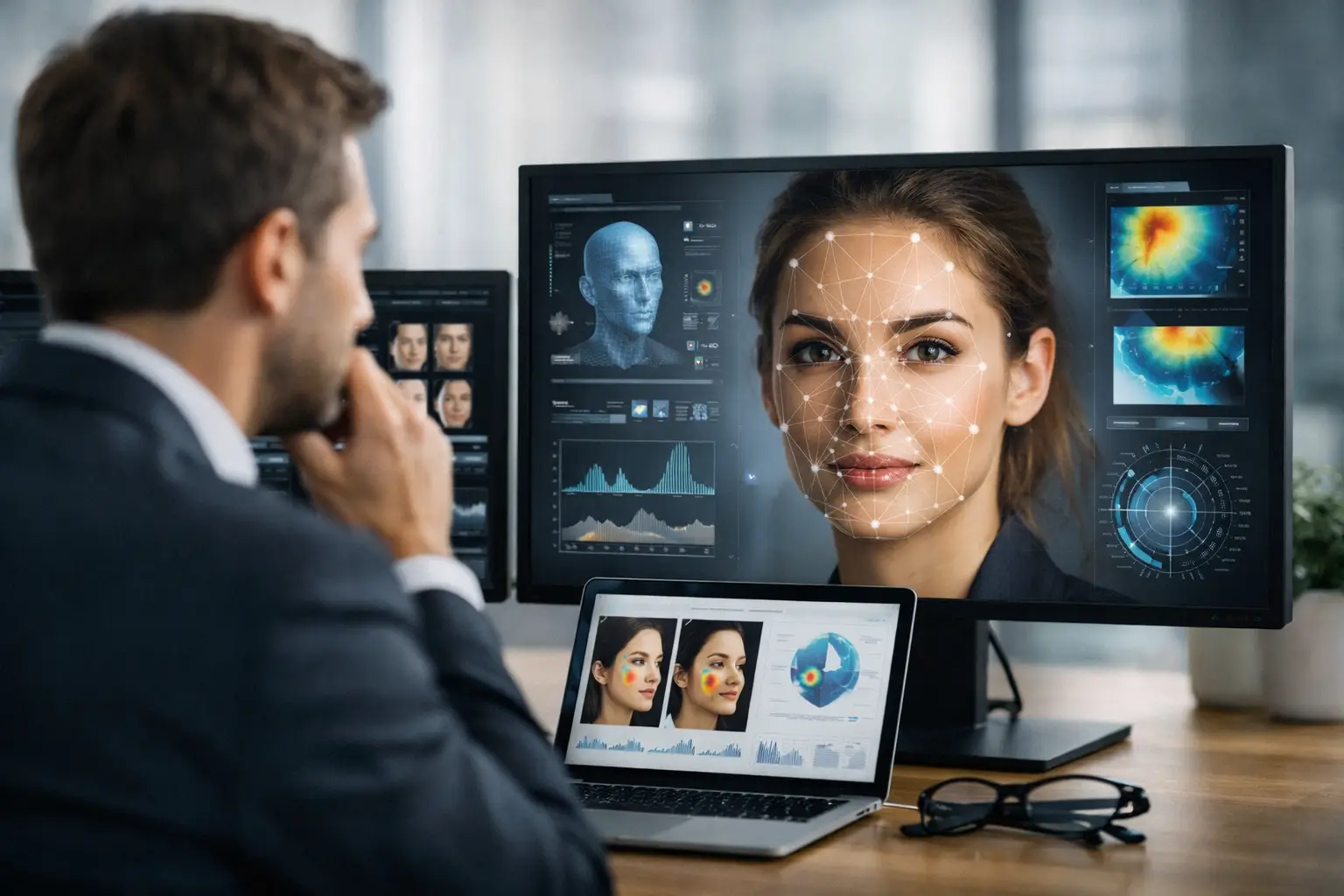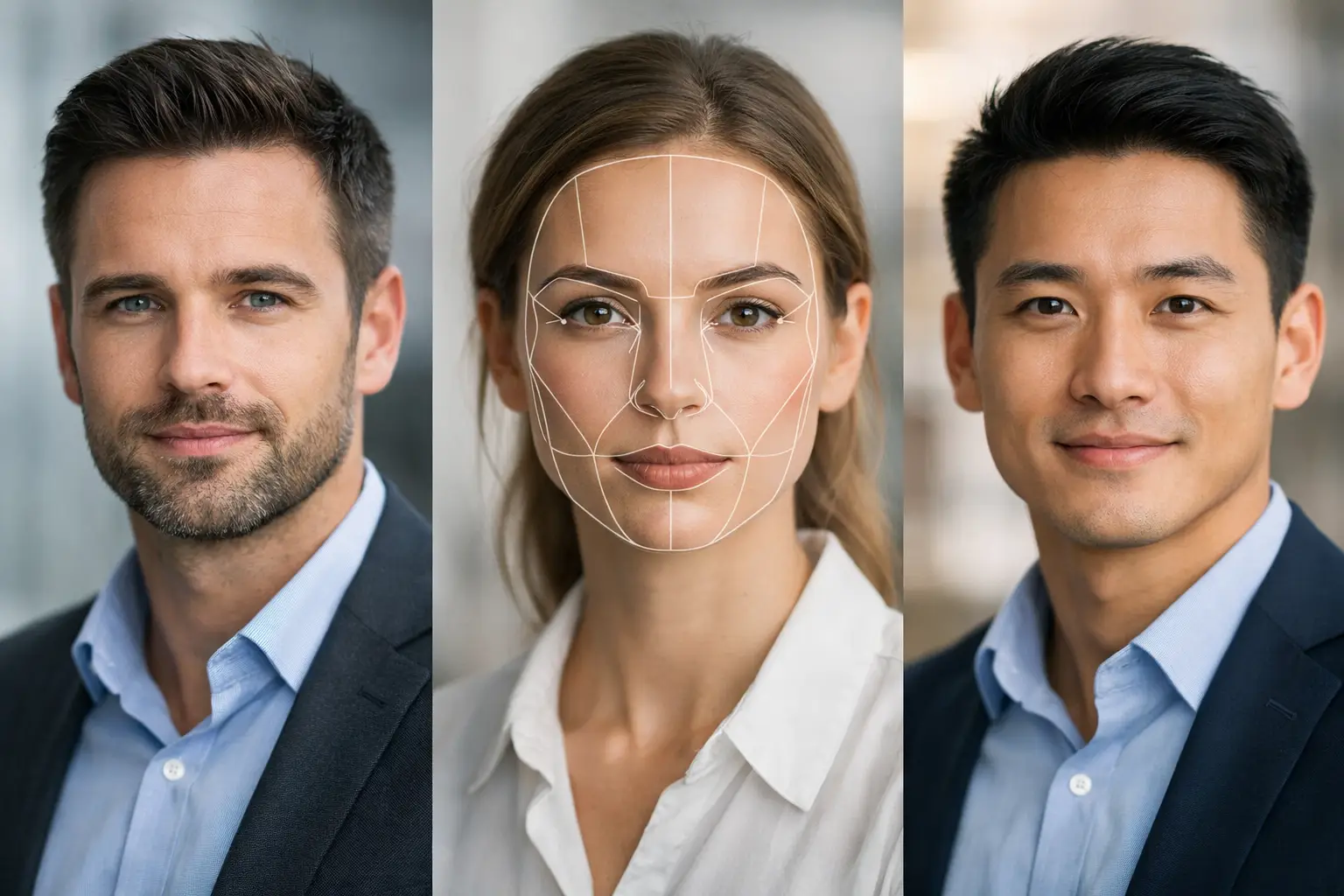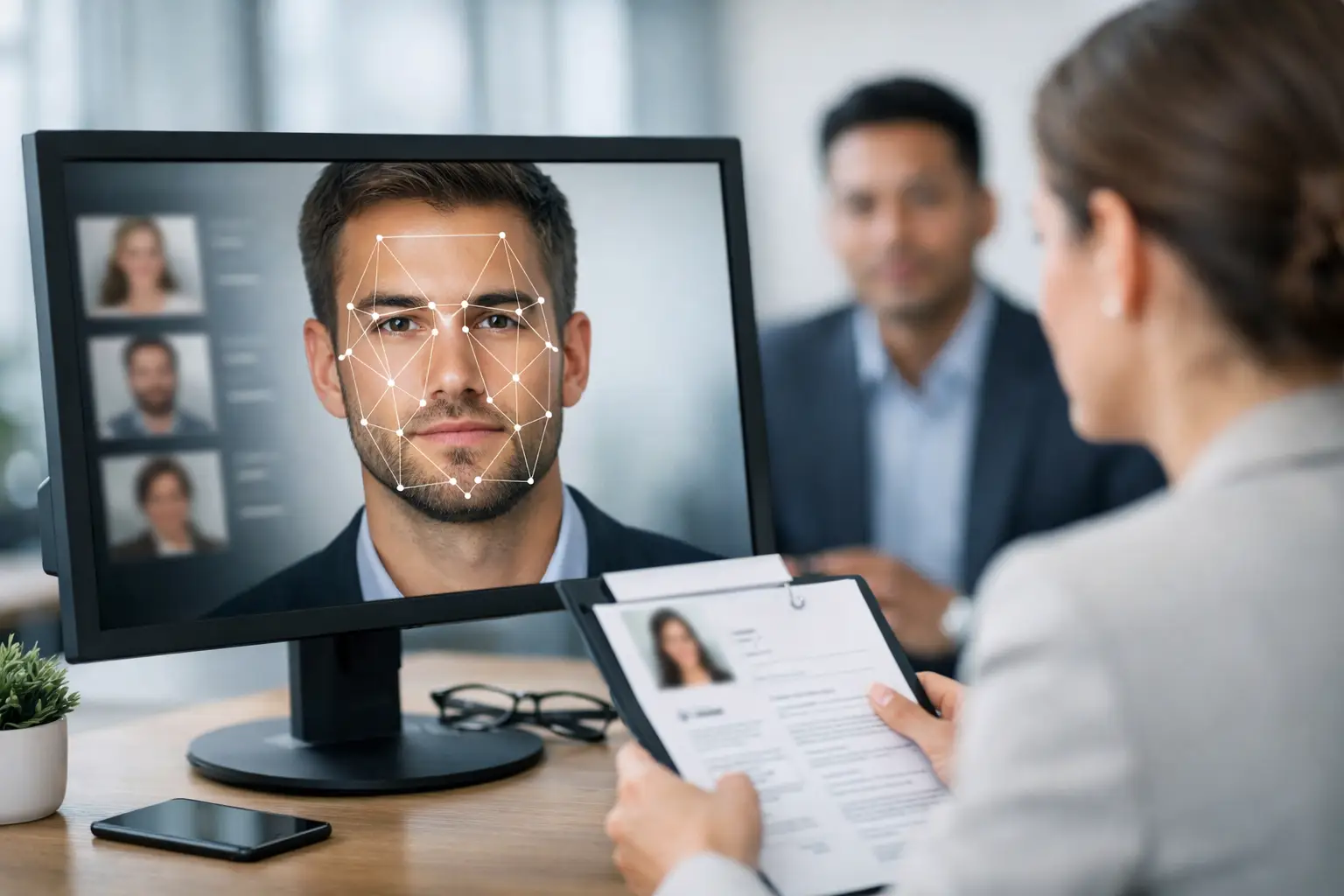
A resume can tell you where someone worked. An interview can show how well they perform under pressure. But neither always reveals how a person tends to operate once the job becomes real - how they handle conflict, authority, stress, rhythm, and team dynamics. That is why more employers are asking a sharper question: can facial scans help hiring decisions?
The short answer is yes, but only if you understand what kind of help they can provide and where the line is. Facial analysis is not a replacement for experience, references, structured interviews, or job-relevant testing. It is a signal layer. Used well, it can help hiring teams see personality tendencies faster, pressure-test first impressions, and make more rounded decisions. Used badly, it becomes lazy decision-making dressed up as innovation.
Can facial scans help hiring decisions in a real hiring process?
They can, especially in roles where temperament, communication style, emotional steadiness, and interpersonal fit matter as much as technical skill. Hiring is rarely just about who can do the work. It is about who can do the work in your environment, with your pace, under your leadership structure, and alongside your team.
That is where facial scans become interesting. A strong face analysis system does not claim to predict job performance with total certainty. What it can do is surface patterns that often take weeks or months to notice after someone is hired. Think of it as compressed people-reading - a structured way to identify likely tendencies in decision style, emotional expression, assertiveness, adaptability, and social energy.
For recruiters and managers, that matters because bad hires are not always bad performers on paper. Sometimes the issue is mismatch. A candidate may look perfect by credentials and still struggle in a high-friction sales team, a tightly regulated operations role, or a manager-heavy environment. A scan can add another angle before that mismatch turns expensive.
What facial scans are actually useful for
The strongest use case is not elimination. It is interpretation.
When hiring teams use facial scans intelligently, they use them to enrich context around a candidate, not to issue a final verdict from a single image. A scan may suggest that one candidate presents a highly controlled, structured, low-volatility pattern, while another shows stronger improvisational energy, expressive communication, and quick-reactive thinking. Neither is universally better. The real question is better for what.
For example, a highly process-driven finance or compliance role may reward consistency, restraint, and a predictable behavioral profile. A founder-led startup sales role may benefit more from charisma, social elasticity, and a higher comfort level with ambiguity. Facial analysis becomes valuable when the hiring team already knows what behavioral architecture the role demands.
This is why a systemized report matters more than vague intuition. A polished, framework-based analysis gives managers language for discussing candidate tendencies without relying only on gut feel. That is one reason platforms like SomaScan.ai attract interest from professionals who want fast, structured personality signals without turning every hire into a weeks-long assessment project.
Where the value is real - and where it gets overstated
The value is real in three places: speed, pattern recognition, and team-fit framing.
First, speed. Most hiring teams are overloaded. They do not have endless time for deep behavioral analysis, especially in high-volume recruitment. A facial scan can generate a quick personality snapshot that helps prioritize what to probe in interviews.
Second, pattern recognition. Humans already make judgments from faces, whether they admit it or not. The difference is that unstructured instinct is inconsistent. A formal scan at least attempts to organize those impressions into repeatable categories and named tendencies.
Third, team-fit framing. Hiring mistakes often happen because managers focus too narrowly on competence and too late on compatibility. A scan can help flag whether a candidate may thrive in a collaborative, emotionally open culture or fit better in an independent, low-social-noise environment.
But this is also where hype gets dangerous. Facial scans should not be sold as a magic truth machine. They do not know whether someone will hit quota, write clean code, or manage a budget. They do not replace legal compliance, job-based assessment, or thoughtful interviewing. And they should never be used as a stand-alone filter to reject candidates.
The biggest risk: false certainty
Hiring teams love tools that promise clarity. That is exactly why they need discipline.
The danger with any personality signal - facial scans included - is that people can mistake directional insight for objective fact. A report may indicate dominant traits, emotional tendencies, or interpersonal style. Useful? Yes. Final? No.
People are shaped by context. A face may reflect stable patterns, but it does not erase training, motivation, experience, or self-awareness. Some candidates outperform their natural style because they have built skill around it. Others look aligned on paper and still fail because they cannot execute.
If you use a scan, use it as a way to sharpen better questions. If a report suggests low tolerance for chaos, ask how the candidate has handled fast-changing priorities. If it indicates a strong need for control, ask about delegation. If it signals people-oriented leadership energy, ask for examples of managing underperformance. This is the high-value move. The scan informs the interview rather than replacing it.
Can facial scans help hiring decisions without creating ethical problems?
Only if the process is disciplined, transparent, and limited.
The first rule is simple: never let facial analysis become the sole basis for a decision. That creates both ethical and practical problems fast. Hiring should stay grounded in job relevance, structured criteria, and multiple sources of evidence.
The second rule is role sensitivity. Not every role needs this layer. If the job is highly technical and measurable, a work sample may tell you far more than a personality scan. But in leadership, client-facing, partnership-heavy, or culture-critical roles, personality interpretation can have more strategic value.
The third rule is consistency. If one candidate is scanned, the process should be applied evenly, not selectively based on appearance, instinct, or recruiter preference. Uneven use turns the method into bias with a tech wrapper.
The fourth rule is restraint in claims. The language around facial analysis should stay focused on tendencies, patterns, and probable dynamics - not fixed destiny. The moment a hiring team starts acting as if a report reveals everything about a person, they stop hiring intelligently.
The best way to use facial scans in hiring
The strongest hiring teams use scans as a second-layer intelligence tool.
Start with the basics: role requirements, success profile, resume review, and structured interviews. Then bring in facial analysis to refine your read on how the person may operate in real human settings. Use it to identify friction risks, management style clues, communication patterns, and energy alignment with the team.
That means a scan is most useful before final interviews or during side-by-side candidate comparison. It can help answer questions that resumes cannot. Who is likely to need more autonomy? Who may be better in a stable hierarchy versus a fluid environment? Who could add complementary energy rather than duplicate what the team already has?
This is also where report quality matters. A vague personality summary is forgettable. A structured analysis built around named frameworks, clear trait architecture, and practical interpretation is far more useful because it helps decision-makers act on the insight.
What smart employers should believe
Believe that hiring is part data, part judgment, part pattern recognition. Believe that human behavior leaves clues before the first day of work. Believe that faster insight can be valuable.
But also believe this: every shortcut has a cost if you use it carelessly. Facial scans can improve hiring decisions when they are applied as one layer inside a bigger system. They can help managers see likely fit, spot tension points, and ask sharper questions. They cannot carry the full burden of selection.
The real opportunity is not replacing human judgment. It is upgrading it.
If you want cleaner hiring decisions, do not ask whether a facial scan can tell you everything. Ask whether it can reveal something useful, early, and actionable that your current process keeps missing. That is the standard worth using - and the one that keeps judgment sharp instead of blind.