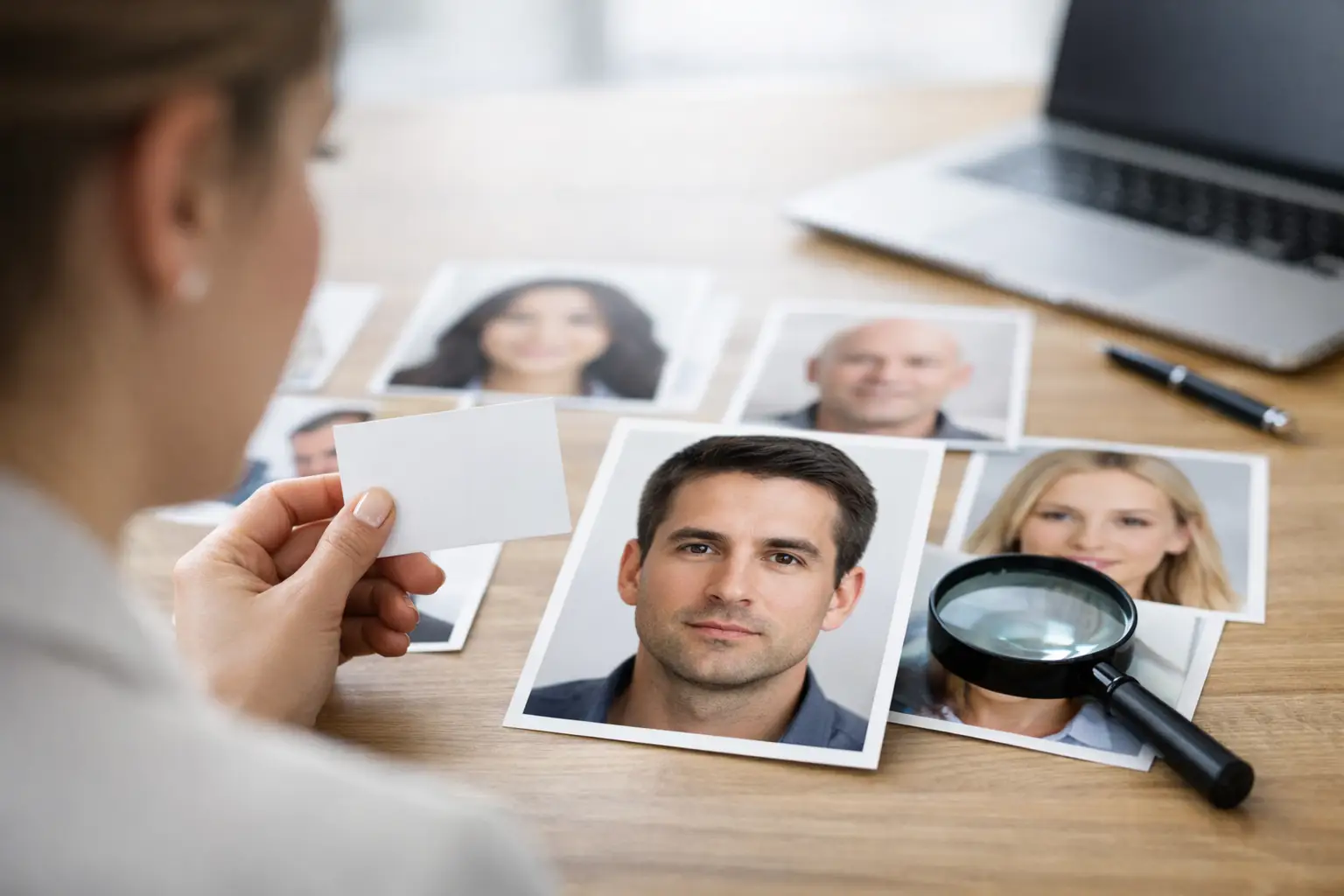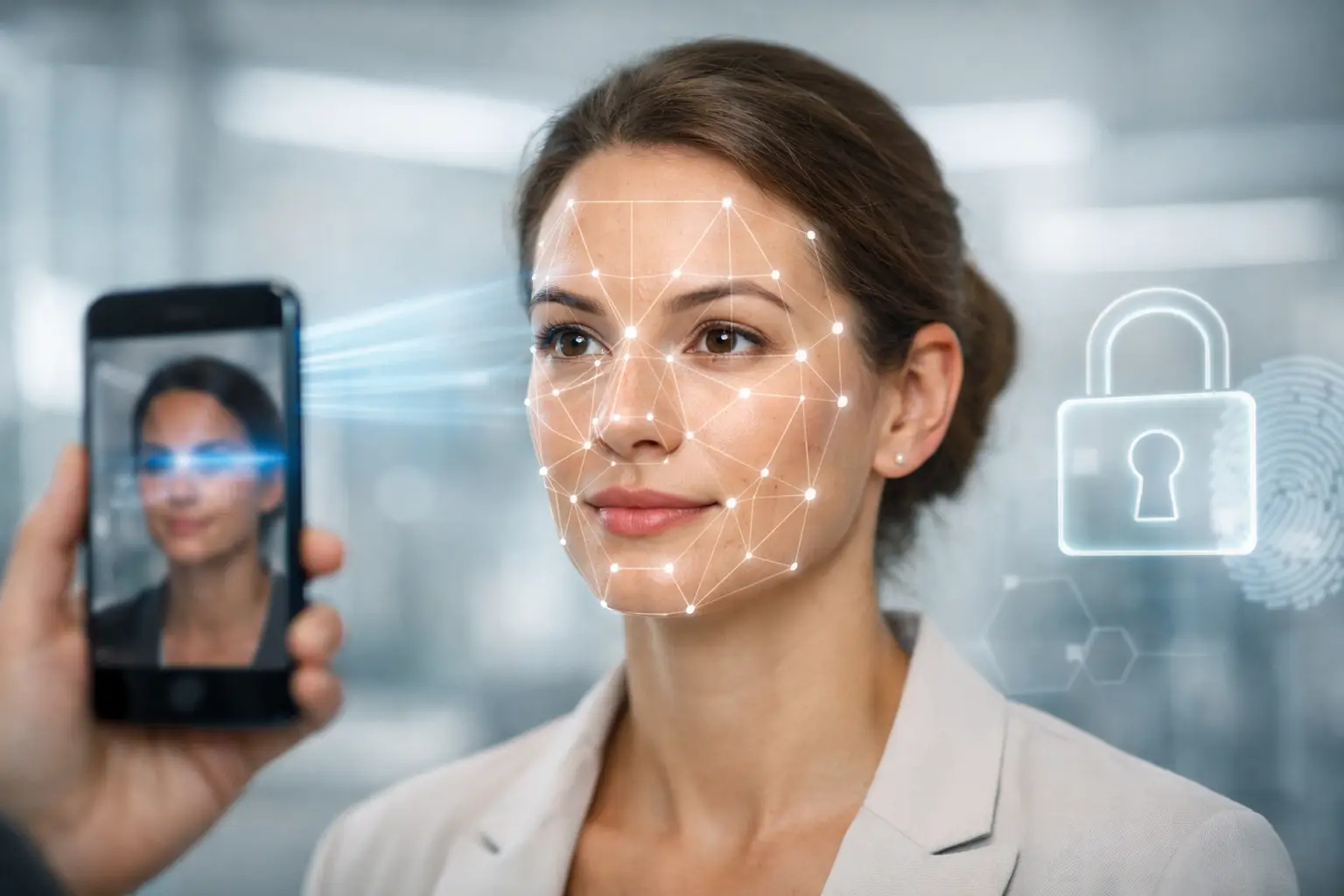
The real privacy question starts before the scan ever happens. The moment you upload a face, you are not just sharing a photo. You are handing over identity-linked data that can be stored, analyzed, compared, and sometimes reused in ways most people never stop to examine. So if you're asking, is face scanning safe and private, the honest answer is this: sometimes yes, sometimes absolutely not.
That distinction matters for anyone using facial analysis for self-discovery, hiring discussions, compatibility insights, or quick personality signals. A face scan can feel instant and lightweight on the surface. Behind the interface, though, there is a chain of decisions about storage, permissions, model training, report generation, and retention. That is where safety is decided.
Is face scanning safe and private? It depends on the system
Not all face scanning tools do the same thing. Some simply detect facial landmarks and generate a one-time result. Others retain uploaded images, connect them to profiles, enrich the data with outside sources, or use user submissions to improve future models. Those are very different privacy postures, even if the front-end experience looks identical.
Safety also depends on what "safe" means to you. For some users, safety means protection from identity theft. For others, it means not having their face stored indefinitely. For a manager or recruiter, it may mean reducing legal and reputational risk when using facial insights in a professional setting. For a consumer, it may simply mean avoiding creepy reuse of personal photos.
A credible platform should make these boundaries clear. If it does not explain what it collects, why it collects it, how long it keeps it, and whether it uses your data beyond the report you requested, you are operating on trust alone.
What actually makes face scanning risky
Most people assume the main risk is that a scan gets "hacked." That can happen, but it is only one layer. The bigger issue is usually overcollection.
When a system asks for a face image, name, and optional context, it may be creating a highly specific identity record. If that record is linked to behavioral insights, personality predictions, emotional patterning, or compatibility scoring, the data becomes more sensitive than a casual selfie. It is no longer just an image. It becomes a profile.
That profile can create risk in several ways. First, stored facial data can be exposed in a breach. Second, retained images may be reused for model training or internal benchmarking. Third, reports can be shared beyond the original user, especially in workplace settings where curiosity quickly becomes circulation. Fourth, unclear consent flows can lead users to agree to broad usage terms without realizing it.
This is why privacy cannot be judged by visual design, AI branding, or how polished the report looks. A sharp interface says nothing about data handling discipline.
The privacy signals smart users should look for
If you want a fast answer on whether a platform is serious about privacy, do not start with the marketing claims. Start with the operational signals.
The first signal is data minimization. Does the tool ask only for what it needs to generate the result, or does it collect extras that feel convenient for the platform but unnecessary for the user? Minimal collection usually points to tighter privacy discipline.
The second signal is retention clarity. A trustworthy platform should tell you whether your images are deleted after analysis, kept for a limited period, or stored indefinitely. Vague language like "may retain data to improve services" deserves scrutiny.
The third signal is purpose limitation. Your image should be used for the service you requested, not quietly repurposed for unrelated advertising, identity matching, or broad AI training unless that choice is made explicit.
The fourth signal is user control. Can you request deletion? Can you avoid public indexing? Can you choose not to have your scan reused for product improvement? Real control beats generic reassurance every time.
Is face scanning safe and private for personality analysis?
This is where nuance matters. Face scanning for personality or compatibility insights adds an extra layer of sensitivity because the output goes beyond recognition and into interpretation. Even if the analysis is framed as guidance, users often treat reports as high-confidence judgments. That makes privacy and consent even more important.
A personality scan can feel harmless when used for curiosity, dating, team fit, or self-reflection. But once a report is attached to a real name and shared with others, it can influence decisions, perceptions, and expectations. In other words, the privacy issue is not only about the image. It is also about the narrative built from the image.
That is why professional-grade platforms should handle both the input and the output with care. The scan itself needs protection, but so does the report. If a report claims to reveal emotional patterns, character tendencies, or career alignment, users should know who can access it, how long it remains available, and whether it can be redistributed.
The workplace question is bigger than most people think
For individuals, the privacy test is personal comfort. For managers, recruiters, and team leads, it is also a governance issue.
Using face-based insights in a professional context can create real concerns if employees or candidates do not understand how their images are used or how resulting reports might affect decisions. Even when the tool is intended as a conversation starter rather than a formal assessment, perception matters. If people feel analyzed without meaningful consent, trust drops fast.
That does not mean facial analysis has no place in professional environments. It means the use case must be disciplined. Clear consent, limited distribution, and thoughtful framing are non-negotiable. The more consequential the decision, the higher the privacy standard should be.
How safe face scanning should work
A strong system usually follows a predictable logic. The user submits only the necessary image data. The platform processes the scan for a defined purpose. The result is delivered cleanly. The image and related identifiers are either deleted or retained under a clearly stated policy. The user understands what happened at each stage.
That process sounds simple because it should be. When a platform adds mystery around collection, cross-platform discovery, or hidden post-processing uses, privacy confidence drops. Sophisticated technology does not require vague explanations.
For users who want insight without unnecessary exposure, the ideal setup is straightforward: guided consent, narrow data use, visible retention rules, and clear access boundaries around the final report.
A practical standard for deciding if a tool is private enough
You do not need to be a privacy lawyer to make a solid judgment. Ask four questions.
Do I know what data I am uploading? Do I know how the platform will use it? Do I know how long it will keep it? Do I have a way to remove it?
If any of those answers are fuzzy, the tool is not private enough to deserve blind trust.
This is especially true for platforms that promise deep identity insight from a simple scan. The more confident the output sounds, the more disciplined the data practices should be behind it. High-claim AI should come with high-clarity privacy behavior.
Where confidence and caution should meet
Face scanning is not automatically invasive, and it is not automatically safe. It is a powerful input layer. In the right hands, with clear boundaries, it can support fast analysis and structured self-understanding. In the wrong hands, it becomes a quiet mechanism for collecting identity-rich data under the cover of convenience.
That is the line smart users should watch.
If you are evaluating a platform like SomaScan.ai, do not stop at whether the report looks advanced or the workflow feels polished. Ask whether the system treats your face like sensitive data or just another asset to capture. The strongest platforms do both things well: they deliver sharp insight and make the privacy model easy to understand.
FAQ
Is face scanning safer than sharing personal questionnaire data?
Sometimes, but not always. A face image is a strong identity signal, while questionnaire answers may reveal more explicit beliefs or preferences. Which is more sensitive depends on what is collected, how it is stored, and whether either one is tied to your real identity.
Can face scanning be private if the platform stores images?
Yes, but only if storage is limited, secured, and clearly explained. Storage alone is not the problem. Indefinite retention, unclear reuse, and weak user control are the bigger concerns.
Should I use face scanning for professional decisions?
Use caution. For low-stakes team discussion or self-reflection, some professionals may find it useful. For hiring or other high-stakes decisions, privacy, consent, and fairness standards should be much stricter.
The right question is not whether face scanning sounds futuristic. It is whether the platform has earned the right to handle something as personal as your face with precision, restraint, and respect.