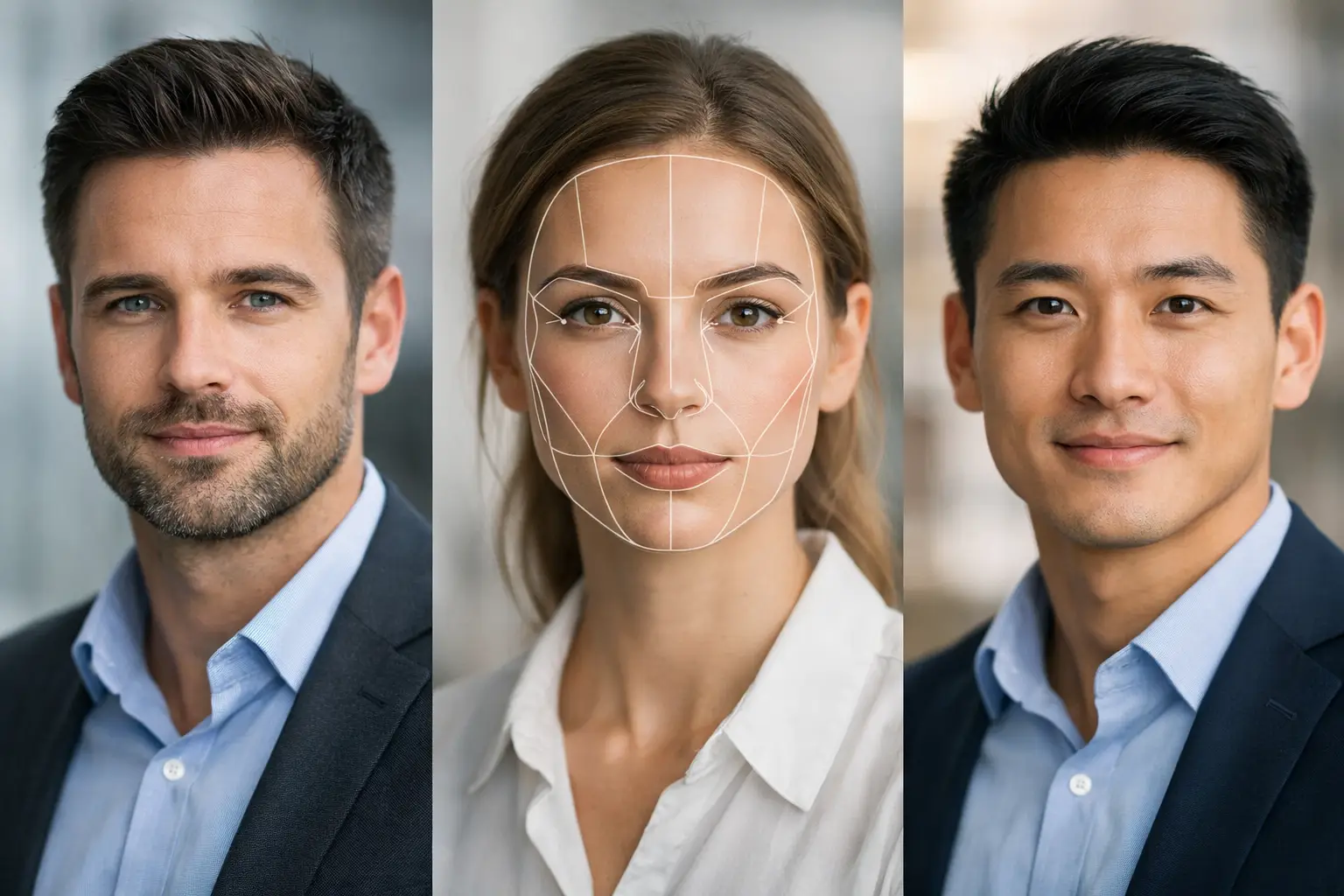
Most people do not need more data. They need a faster read on what that data means. That is exactly where learning how to use AI physiognomy insights becomes valuable. When facial analysis is presented through a structured report rather than vague intuition, it can help you spot emotional patterns, communication tendencies, compatibility signals, and career themes with far more clarity than guesswork alone.
The key is using it as a decision support tool, not as a magic verdict. Strong AI face reading works best when you treat it like a high-speed pattern engine - something that helps you frame better questions, notice blind spots, and move into conversations with sharper awareness.
What AI physiognomy insights are actually for
AI physiognomy insights are most useful when you want fast signal extraction from visible facial structure and expression patterns. In practice, that means getting a structured interpretation of personality tendencies, stress responses, social style, and behavioral leanings from facial inputs.
For a consumer, that can mean understanding why certain relationship dynamics keep repeating. For a manager or recruiter, it can mean getting an additional lens on team fit, communication style, or leadership presence. For a coach, it can mean identifying where someone appears naturally assertive, guarded, emotionally reactive, or steady under pressure.
That said, the value is not in pretending a face tells you everything. The value is in compressing a broad set of human-reading cues into a report you can actually use. A strong system turns subjective impressions into a cleaner framework. That is why productized outputs such as Pattern Analysis, structural mapping, and personality architecture feel useful - they give you something concrete to work with.
How to use AI physiognomy insights without overreading them
The mistake most people make is taking a single trait and turning it into a full identity. That is weak interpretation. A better approach is to read for clusters.
If a report suggests strong independence, emotional reserve, and analytical bias, do not stop at any one trait. Read the pattern as a whole. That cluster may point to someone who makes solid decisions under pressure but needs time before trust develops. If the output points to warmth, expressiveness, and low emotional containment, that may suggest a socially magnetic person who thrives in collaboration but may also process conflict in a very visible way.
This is where AI-based reports outperform casual face reading. They organize the read into systems. Instead of saying, "This person looks intense," you can interpret intensity in relation to consistency, openness, ambition, and resilience. That gives the insight practical value.
Use the report to generate hypotheses. Then test those hypotheses against behavior, context, and real interaction. If the scan says someone has strong leadership architecture, look for whether they naturally take control in group settings. If it suggests emotional volatility, observe how they handle delays, disagreement, or uncertainty. The report should sharpen your observation, not replace it.
How to use AI physiognomy insights in real life
For personal growth, the best use case is self-recognition. Many people know what they feel but cannot name their deeper pattern. A good report can show where your facial structure and presentation suggest natural strengths, internal tension, or recurring emotional habits. That can be useful for confidence, communication, and relationship awareness.
In relationships, use the insights to improve interpretation rather than label a partner. If a scan points to guarded emotional expression, that can help explain why someone seems distant during conflict. If it points to high sensitivity and strong responsiveness, that may explain why tone matters so much in communication. The insight becomes useful when it changes how you approach the person.
At work, AI physiognomy insights can help managers and team leads read role fit more intelligently. Someone may show signs of strategic patience, social diplomacy, or pressure tolerance that make them better suited for specific environments. This is especially useful when you need fast directional insight before a deeper working relationship develops.
For hiring, caution matters more. Use facial analysis as a supplementary perspective, never as a sole basis for a decision. It can help identify questions to ask in an interview or areas to validate through references and work samples. That is a smart use. Treating it as a final verdict is not.
How to read a report the right way
A strong report is not just a list of flattering adjectives. It should read like a structured personality map. Look for recurring themes across sections. If the system identifies emotional containment in one area, strategic patience in another, and measured expression elsewhere, that repetition matters. Repetition usually signals a core trait, not a random observation.
Pay attention to tension points too. The most useful reports are not one-note. Someone can show both ambition and caution, charisma and guardedness, empathy and control. These internal combinations are often what make the reading feel accurate. Human behavior is layered. If the report captures contradiction well, it is probably more valuable.
This is also where a platform like SomaScan.ai has a natural advantage. A guided scan workflow, image discovery, and PDF-ready reporting format make the output easier to review, share, and apply in professional settings. When the insight feels organized and method-driven, people are more likely to use it seriously instead of treating it like a novelty.
When AI physiognomy insights help most
They help most when the goal is clarity under uncertainty. That includes early-stage relationship evaluation, team building, leadership coaching, self-discovery, and communication improvement. In these situations, you are not searching for absolute truth. You are looking for a sharper read than instinct alone can give you.
They are also useful when speed matters. Traditional assessments can take time, require active participation, or depend on self-reporting. Facial analysis offers a different route. It can provide immediate pattern recognition from visual input, which is especially appealing for users who want answers now, not after a long intake process.
But speed creates a trade-off. Fast insight is powerful, yet context still matters. A face can suggest tendencies, not the full story of someone's values, history, or choices. The strongest users understand that distinction.
What not to do with AI physiognomy insights
Do not use a scan to justify a personal bias you already had. If you disliked someone before the report, and then cherry-pick negative traits to confirm your feeling, you are not using the tool correctly. You are just decorating your bias with technical language.
Do not treat static appearance as destiny. People have tendencies, but they also have discipline, self-awareness, and lived experience. A person with signs of impulsiveness may have built excellent emotional control. A person with a reserved facial pattern may still be deeply compassionate and socially effective.
And do not oversell certainty in high-stakes decisions. If you are evaluating a hire, a business partner, or a serious relationship, AI physiognomy insights should strengthen your reading process, not carry the whole load.
A practical framework for how to use AI physiognomy insights
Start with one goal. Are you trying to understand yourself, read a partner more clearly, assess team chemistry, or identify leadership patterns? A clear objective changes how you interpret the report.
Next, focus on three things: dominant traits, emotional patterning, and likely interpersonal style. Dominant traits tell you where the person naturally leads. Emotional patterning tells you how they handle stress, tension, and expression. Interpersonal style tells you how those internal traits show up around other people.
Then validate. If the report indicates high structure and control, ask whether the person prefers predictability, dislikes chaos, or tends to direct outcomes. If it suggests warmth and openness, check whether they build trust quickly and communicate directly. You are looking for alignment between the report and real-world behavior.
Finally, apply the insight where it matters. Adjust your communication. Reconsider role fit. Refine your expectations. Ask better questions. The report is only valuable when it changes how you think or act.
FAQ
Are AI physiognomy insights accurate enough to use professionally?
They can be useful in professional settings when used as an added layer of interpretation, especially for communication style, team dynamics, and leadership tendencies. They should not replace interviews, track record, or direct observation.
Can AI face reading reveal compatibility?
It can highlight patterns that affect compatibility, such as emotional openness, assertiveness, sensitivity, or control. That gives you a strong starting point, but relationship success still depends on behavior and choices.
Is AI physiognomy best for self-discovery or reading other people?
Both, but self-discovery is often the strongest starting point. When people see their own patterns clearly first, they tend to use the tool with more discipline and less projection when reading others.
If you want better people-reading, the smartest move is not to chase certainty. It is to use structured insight well enough that your next conversation, hire, partnership, or relationship starts from a position of sharper awareness.